A note on Candragomīn and his tradition

On reading this note by manasataramgini,the following note from Tārānātha came to my mind

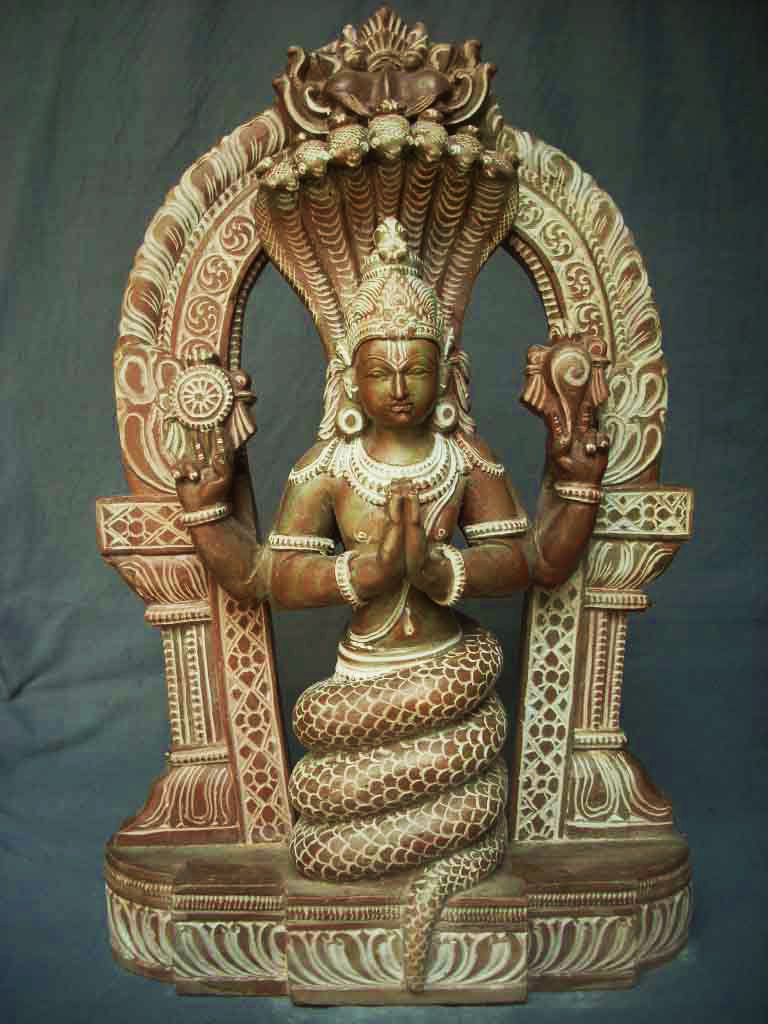
Candragomīn had travelled to the South,in the temple of the brāhmaṇa Vararuci,where he came across an image of Vararuci acquiring the śāstra of vyākāraṇa from Śeṣa-nāga. He then thought that a commentary should be brief,profound in significance,with no repititions and complete,which Śeṣa-nāga’s commentary was not. He then composed his Candra-vyākāraṇa ,following Pāṇini’s grammar and remarked ‘This work,though brief,is clear and complete’.(Tārānātha remarks that even this remārk was a harsh criticism of the Nāga).

Some trivial points to note here

  • The identification of Pātāñjali as the incarnation of Śeṣa(implicitly),and his commentary(the fact that it’s referred to as lengthy gives it away)
  • The identification of the Varttikakara Vararuci/Katyayana and his linkage to the tradition of Pātañjali in vyākāraṇa-śāstra.


That debate of Candragomī and the nāstika mahāpaṇḍita Candrakīrti lasted for 7 years,and the debate ended after Candrakīrti discovered Avalokiteśvara teaching Candragomī.

Also,the tradition of the Bauddhas recognizes a vyākāraṇa of Candrakīrti’s in the same(Bauddha) tradition that was superior to Candragomī’s,named the Samantabhadra. It was  bhaṭṭārikā āryā Tārā who said that this vyākāraṇa of Candragomī’s would survive,while the one of Candrakīrti’s would be lost because of his pride in his scholarship. And Tārānātha notes that the well in which Candragomī threw his book in(and later pulled it out of)-those who drank water from that well were immediately filled with great wisdom.

प्रभो शम्भो! prabho shambho!


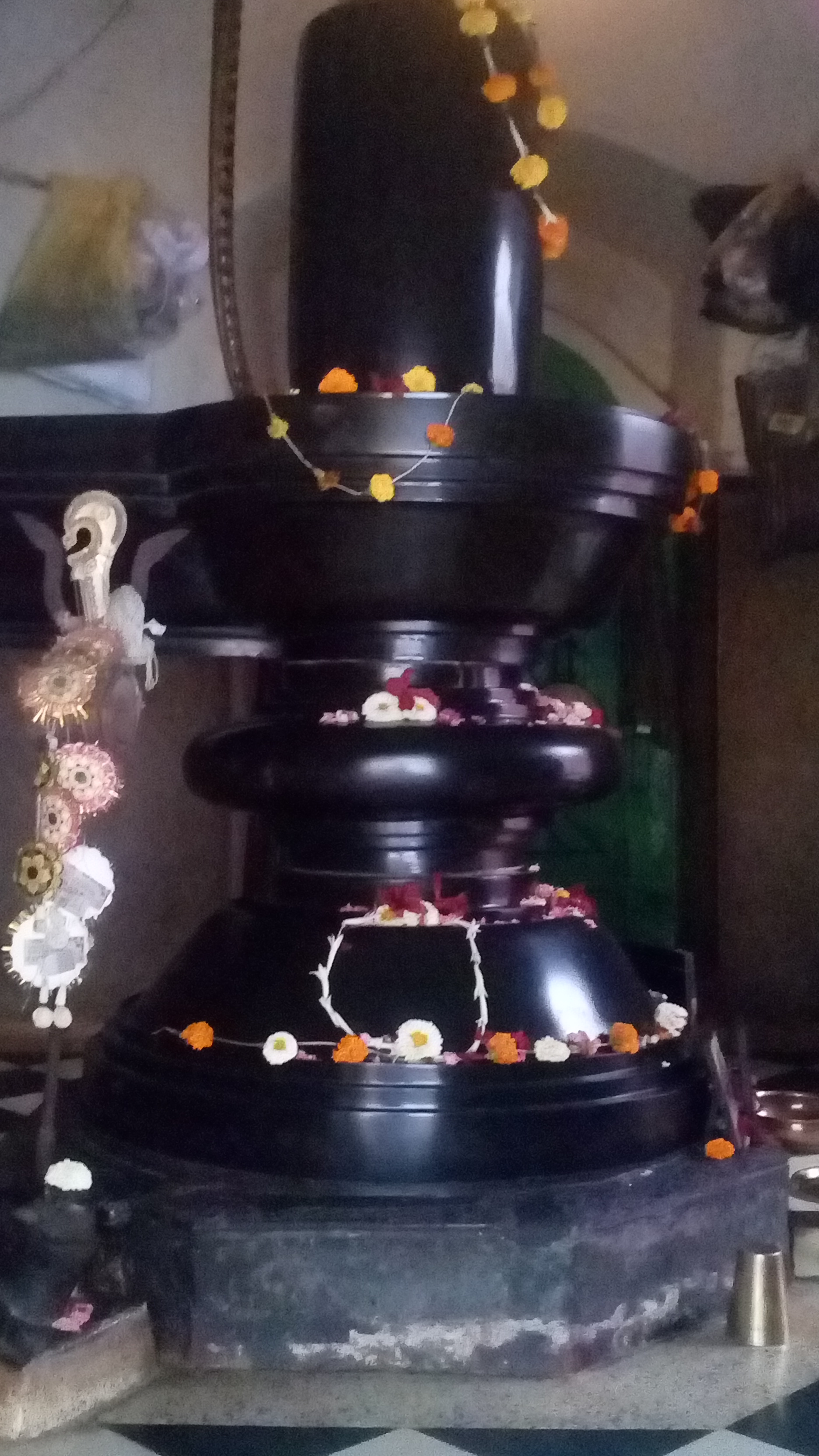
Today,on seeing that liṅgam at that old temple in the lane behind the office of the postmaster general(been there since the very late 1800s?)It’s a tiny navaratna temple,painted red,that shloka of Amṛtavāgbhavācāryā, blessed by Svacchanda-Bhairava himself came to my mind


प्रभो शम्भो दीनं विहितशरणं त्वच्चरणयोः
भवारण्यादस्माद्विषमविषयाशीविषवृतात्।
समुद्धृत्य श्रद्धाविधुरमपि बद्धादरकरं
दयादृष्ट्या पश्यन्निजतनयमात्मीकुरु शिव॥

In SLP1 romanization(explained in the links for vowels and consonants)

prabho “sambho diina.m vihita”sara.na.m tvaccara.nayo.h
bhavaara.nyaadasmaadvi.samavi.sayaa”siivi.sav.rtaat|
samuddh.rtya “sraddhaavidhuramapi baddhaadarakara.m
dayaad.r.s.tyaa pa”syannijatanayamaatmiikuru “siva||

It’s translation(taken from the Kamakotimandali website because I’m lazy)

‘O Lord Shiva, this forest named samsāra is filled with venomous serpents that are the sensory objects. To escape from them, I take refuge most humbly in your lotus feet.

O all powerful Shambhu, please take me out of this forest even if I lack faith and devotion, for I am after all your son and I have sought refuge in you with folded hands.’

He gives the scene of composing this verse thus

मन्निमिर्तः प्रभोशम्भोश्लोको यत्सदयेच्छया।
इष्टसिद्ध्यर्थ प्राप सिद्धमहामन्त्रस्वरुपताम्॥

हितायाऽऽस्तिकलोकानां वर्णयामि सभासतः।
नत्वा तत्पादयुगलं तद्वृत्तं विस्मयावहम्॥

सायत्ननं नित्युकृतयं समाप्य समवस्थिते।
स्वासने मरुयन्धकारावृते पूजागृहेऽमले॥

श्रीशिवप्रार्थनापद्ये प्रातरेव स्वनिर्मिते।
अपशब्दं चिन्तयति सहसा दिव्यदेहवान्॥

जीर्णशुकं जानुदघं वसानो लम्बमेकतः।
रोमगुच्छाचितबिलमहाश्रोत्रः शशिप्रभः॥

बर्वरप्रभरोमालव्याप्तसवङ्गिवग्रहः।
तिरस्कृततडिच्चञ्चक्त्रनीनिकविलोचनः॥

महात्मा प्रकटीभूय कोऽपि मत्सम्मुखं तदा।
उच्चालयन् तर्जनीं स्वां मामुवाच सगर्जनम्॥

पद्यमेतन्नास्यशुद्धं न कार्यं परिवर्तनम्।
एवं समासे सुमते! कामशुद्धिं विशङ्कसे॥

इत्युक्त्वा यो दयार्त्रेण चक्षुशा वीक्ष्य मां पुनः।
शम्पेव क्वाप्यगात् सद्य आश्रित्याऽलक्षितां गतिम्॥

अजानन्नपि तस्याऽहं नामधामादिकं मुहुः।
प्रणमामि सदा भक्त्या रुपं वाक्यं च संस्मरन्॥

नालगढे धर्मसभाभवने मासि माधवे।
वृत्तं वृत्तं वैक्रमेऽभे ऋद्धिधैर्यमिते गते॥


Transliterated in the Velthuis scheme

mannimirta.h prabho”sambho”sloko yatsadayecchayaa|
i.s.tasiddhyartha praapa siddhamahaamantrasvarupataam||

hitaayaa”stikalokaanaa.m var.nayaami sabhaasata.h|
natvaa tatpaadayugala.m tadv.rtta.m vismayaavaham||

saayatnana.m nityuk.rtaya.m samaapya samavasthite|
svaasane maruyandhakaaraav.rte puujaag.rhe’male||

“srii”sivapraarthanaapadye praatareva svanirmite|
apa”sabda.m cintayati sahasaa divyadehavaan||

jiir.na”suka.m jaanudagha.m vasaano lambamekata.h|
romagucchaacitabilamahaa”srotra.h “sa”siprabha.h||

barvaraprabharomaalavyaaptasava”ngivagraha.h|
tirask.rtata.dicca~ncaktraniinikavilocana.h||

mahaatmaa praka.tiibhuuya ko’pi matsammukha.m tadaa|
uccaalayan tarjanii.m svaa.m maamuvaaca sagarjanam||

padyametannaasya”suddha.m na kaarya.m parivartanam|
eva.m samaase sumate! kaama”suddhi.m vi”sa”nkase||

ityuktvaa yo dayaartre.na cak.su”saa viik.sya maa.m puna.h|
“sampeva kvaapyagaat sadya aa”srityaa’lak.sitaa.m gatim||

ajaanannapi tasyaa’ha.m naamadhaamaadika.m muhu.h|
pra.namaami sadaa bhaktyaa rupa.m vaakya.m ca sa.msmaran||

naalaga.dhe dharmasabhaabhavane maasi maadhave|
v.rtta.m v.rtta.m vaikrame’bhe .rddhidhairyamite gate||


On Kavīndrācārya

ACP=@ArmchairPseph

ACP: He was a close associate of Dara Shikoh

Me: I’m reading the kavIndrasucipatra,an index of books of his library.

ACP:And a festschrift with verses from all Sanskrit intellectuals of the day was written in his honour,and he negotiated with Shah Jahan on behalf of Hs. There were a lot of mentions of him in the book. Can’t recall offhand/search easily since I read the book in print + will have to pick it up again from the library

ACP: From my notes from the book(author(of this post’s) note:Both of us strongly disagree with the book’s thesis)(Can’t recall offhand/search easily since I read the book in print + will have to pick it up again from the library)

ACP: On Kavīndra’s interactions with the Mughals as a Sanskrit intellectual see Pollock, “Death of Sanskrit,” 407-8 and as a Hindi intellectual see Busch, “Hidden in Plain View,” 289-92.

ACP: My notes from the book further continue:

Under Shah Jahan the Brahmanical profile at the Mughal court became more pronounced with the entry of Kavīndrācārya Sarasvatī and Jagannātha Paṇḍitarāja. These two intellectuals interacted with the Mughals in different ways that demonstrate continuities with earlier Mughal patronage of Sanskrit literati but also important changes in cross-cultural relations. Kavīndra initially approached Shah Jahan in order to negotiate the relinquishment of taxes on certain Brahmanical pilgrimage sites, most notably Varanasi and Prayag. The exact chronology of what occurred is murky because no direct narrative accounts of Kavīndra’s time at Shah Jahan’s court are known in either Sanskrit or Persian. However, information gleaned from Sanskrit and Hindi verses praising Kavīndra attests that he spent time in Mughal company teaching Sanskrit texts to both Shah Jahan and Dara Shikuh. Among other works, he instructed them in Śaṅkara’s Bhāṣya.87 Kavīndra also persuaded Shah Jahan to rescind a pilgrimage tax, much to the joy of the Brahmanical community

He was the one who taught Dara Shikoh the Yoga Vashishta? Don’t remember, you will find it in my collected DMs in the devayasna drafts

Moreover, in the 1640s-50s Kavīndra moved outside of the central royal court and joined the retinue of a Mughal noble, Danishmand Khan, and later of the French traveler, Francois Bernier.93 For reasons we do not yet fully understand, Sanskrit intellectuals shifted away from the central imperial context during Shah Jahan’s reign and found new homes in regional and subimperial courts.94 Additionally, Kavīndra’s association with Europeans reflects wider changes in the cultural landscape of early modern India.

Me:

Kavīndra initially approached Shah Jahan in order to negotiate the relinquishment of taxes on certain Brahmanical pilgrimage sites, most notably Varanasi and Prayag

Kavīndra also persuaded Shah Jahan to rescind a pilgrimage tax, much to the joy of the Brahmanical community

Yes,that much I too gathered

ACP: Kavindra also served the Mughals as a poet and musician and was paid by them (which was controversial among v1s in his time)

 Aurangzeb appears to have halted Shah Jahan’s stipend to Kavīndra, which prompted him to seek out Danishmand Khan’s assistance

Shah Jahan named Kavīndra sarvavidyānidhāna (Treasure House of All Knowledge) in recognition of his extensive learning.
Me: Anything about the loss of his library?
ACP: Don’t remember,perhaps there was.
The conversation ends here. Also,if anyone is interested in the kavIndrasucipatra,an index of books in his library, a link of it on archive.org exists here.

On manu sm.rti

Me: So,does iPengu here have a point when he says

One of the problems of Manu Samhita is that people focus on punishments there but if we instead concentrate on moral values it promotes then it becomes perfectly Hindu in every way.

SV: Actually people don’t “focus” on the penal codes of Manu,they just quote those and pretend they belong to a more civilized jurisprudence and penal codes(which is patently false but let that pass). And such pretnce is used to give you reason to ignore the Hindu dharma “saastras. What we should get at is not really the “morality” of Manu because there is today a “moral scheme” based on a certain worldview which needs to be combated before you get to the morality itself.

The basic questions of whether nature should be seen as the teacher or ideals(which change with time) as guidance,whether human should be trusted or system,should be raised whose answers can be found in dharma. Penal code or moral code will be corollaries to these axiomatic things.

Me: You still get the point that is made, SV?

SV: Well he is saying look at the moral code not penal code. I fear that won’t get us anywhere as an exercise because of the underlying worldview and assumptions of the moral codeonce you take cognizance of the fact that its implications will be not in “good practices for people” but an actual guide to jurispudence and penal codes. maanava dharma “saastra was never the former,so even seeing it that way would be problematic. And for the latter,it’s a more systematic and systemic work.

Me:

maanava dharma “saastra was never the former

Was never a moral code,you mean?

SV: It was never meant as a micro level moral code for individuals,but a guide for those designing the collective moral codes.

SV: Individual,var.na,gender,etc are all explained not in prescriptive terms,but as insights into understanding things at a collective level. For instance as R Ganesh says explain the tree to explain a forest. That does not amount to giving codes for the tree but giving insight into understanding tree thereby forest.

SV: The prescriptive codes for individuals don’t come from these but from the specific code books of each group,lineage,etc

SV: Similarly with the word sanaatana,it is sanaatana because it applies at all times to all peoples,because it is talking about unchanging principles of nature.


Westerners and our traditions

The question on how to interact with Westerners or even those who are deeply influenced by post-enlightenment,Christianized ideals is an important one to deal with. How should they be accepted in sampradAyas/institutions belonging to sampradAyas?

From my brief survey of some institutions,the institutions that have heavily accepted westerners have had massive degradations that have negatively affected the sampradAyas overall. Like ISKCON and the insiduous Abrahamic strains(like suggesting that jIvas fall from vaikunTha,despite baladeva’s bhASya on the last sutra of the brahma-sutras,and too many other things that can’t be spoken about here now and the other splinter groups. Or Yogananda distorting the Kriya Yoga paramparA.

From these examples(one may also refer to the mass influx of Jatts within Sikhi or briefly the post Banda Bahadur period to note that mass influx of people who haven’t had a perparatory period isn’t really a helpful thing). On the other hand,we also have to contend that we really can’t stay shut up in cocoons in the West all the time. Still,we have to deal with its secularizing tendencies while we are there. We’re losing both our men to its secularism and our women to both secularism and marriage to other traditions,which very frequently result in a much reduced ability to pass down our traditions to our children.

This is a problem,which doesn’t seem to have any easy solution,frankly. The most successful and orthodox orgs in the West seem to have been those related with the Saiva Siddhanta Church(not that I am recommending or pushing for them,anyway). A few disciples of Swami Dayananda maybe also? Maybe one or two students of Lakshman joo? We don’t even have the fire of Sridhar Ketkar who married a Jewish wife,bringing her into the Hindu fold.

Rupa Goswami’s advice : saGga-tyAgo vidUreNa bhagavad-vimukhaira janaiH/ziSyAdy ananuvandhitvaM mahArambhAdy anudyamauH (One should keep a distance from those who are averse to the Lord, avoid accepting too many disciples(emphasis mine) and not be overly enthusiastic about initiating great projects) seems to ring truer than ever.

Worshipping Sai Baba and other Siddhas

SV: bANAmati(by the Telugu author Viswanatha Satyanarayana) is a story of a guy possessed by a piSAca. There is a dead saint who is worshiped in that region and the guy uses pUja flowers from that place to rid himself and eventually help the piSAca rid of its piSAci state.

Me: How does this work?Reverence for a dead Siddha?

SV: There are many regions where a local siddha is not cremated but buried, and around that place some effect is felt in times to come.

Me: Elaborate please.

SV: In those places it is not uncommon to have kids named after those siddhas, promises and offerings made in their name etc.

SV: In case of infections, infant deaths etc they pray and name after the siddha for the newborns to survive. Or in cases where kids see “air” or frequent ill-health. But most of this is very specific to those regions, because there is no formalized mantra or devata associated with siddha.

Me: So… Apart from the no formalized procedure,the difference is…?

SV: Besides, devata has several layers whereas dead siddha effect is limited to lower layers of consciousness.Like a ghost, the siddha effect will also be possible at the outermost sheath of subtle body (the vital). Trying to elevate a dead siddha to devata is not going to fly because there is no drashTa given mantra or procedure for worship. Nor is such devotion going to melt the mind’s deeper sheaths.

Me: So… In the case of Sai they are trying to retrofit a Dēvatās role?

SV: Yes and and which is why it is not going to work.

S: SV – something similar. http://www.srireddammathalli.com/history.html .I personally have very close family who have had kids after going to Reddemma Konda. and as is the norm they are named Reddamma / Reddappa and no particular mantra or anything for her worship.

SV: Instead of “rAjA rAm candra ki jai” or “har har mahAdev” if you shout “jai sai nAth” it is not likely to produce anything in a battle or anything of civilizational purpose.

S: SV – agree,and many sai temples do Rudrakbhishekam to Sai Baba.It is their wish but i find it odd.

SV: No its not their wish it is dogma and rowdyism – neither is rudra mantra their property (it belongs to the vedAgama tradition) nor is the procedure of worship.That anything in the land belongs to my and i have the freedom to use it the way i want is quite dushTa 🙂

S: I understand. my point was/is that – just because they do rudrabhishkeam to Sai, it ain’t gonna give any benefit.

SV: Many Sai cultists also know the limitations of the effect, and hence try to bring into sai temples, along with bhajan, the vedAgama worship so that the “charge” is maintained. It might – after all regardless of where  you pour it, the mantra has its effect. Which is attributed to Sai and not the greatness of Rudra mantra. Which is the main problem.

Me: >and many sai temples do Rudrakbhishekam to Sai Baba

WHAT

SV: Like rAma jaya there is a “sai jaya” mantra that all Sai cultists chant 🙂

S: Replace Shiva with Sai is how it is there. I am not kidding.4 times aartis. Abhishekams with Rudram. Dhuni for Vibhuti.Tulasi Brindavan.

Me: Most I’ve been to is Lokenath Baba shrines

SV: “brahma vishNu SivAtmakAya namaH” one among the sai ashTottara mantra-s if I remember 🙂 Majority of devata mantras are plagiarized and perverted by inserting sai name.

S: There is a Sai Satyavrata poja,and I’m not kidding.

SV: Plagiarized satya nArayaNa vrata 🙂

Ashtamurti-notes

pashupatinath_mandsaur
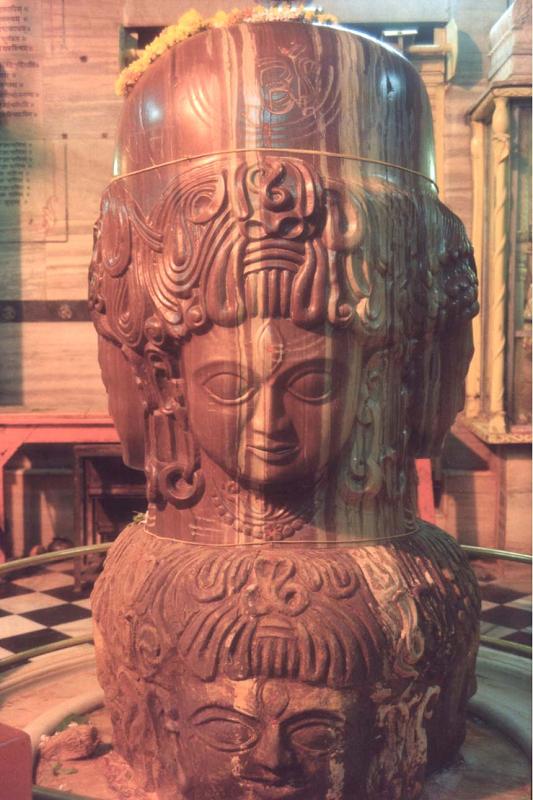
An aśṭamukhaliṅga of Paśupatināth at Mandsaur


pitāmaha uvāca।

namaste bhagavan rudra bhāskarāmitatejase.
namo bhavāya devāya rasāyāmbymayāya te..
śarvāya kṣitirūpāya sadā surabhiṇe namaḥ.
iśāya vāyave tubhyaṃ saṃsparśāya namo namaḥ.
paśunāṃ pateye caiva pāvakāyātitejase..
bhīmāya vyomarūpāya śabdāmātrāya te namaḥ.
mahādevāya somāya amṛtāya namo’stute.
ugrāya yajamānāya namaste karmayogine..

phalaśruti

yaḥ paṭhed śṛṇuyadvāpi paitā mahamimaṃ stavaṃ.
rudrāya kathitaṃ viprāñśraāvayedvā samāhitaḥ..
aṣṭamūrtestu sāyujyaṃ varṣādekādavāpnuyāt.

The first attestation of this aspect(rather,collection of aspects of Śiva) is in the Śāṅkhāyana Brāhmaṇa,where Rudra,on his own request after being generated by Prajapati,takes on 8 names: Bhava,Śarva,Paśupati,Ugra,Mahādeva,Rudra,Iśāna and Aśani,respectively the waters(āpaḥ),Agni,Vāyu,plants and trees,the sun,the moon,food and Indra respectively. The text then ends with “sa eṣo’ṣṭanāmāṣṭadhā vihito mahān devaḥ“. Also,a similar attestation exists in the Śaṭpāṭha Brāhmaṇa where he takes teh epithets Rudra,Sarva,Paśupati,Ugra,Aśani,Bhava,Mahādeva and Īśāna each manifested through a rūpa. In this version,Agni becomes the form of Rudra,the waters(āpaḥ) of Śarva,the plants of Paśupati,Vāyu of Ugra,lightning of Aśani and the sun of Īśāna.

The Liṅga Purāṇa version(mentioned here) identifies Rudra with the sun,Bhava with the waters and taste,Śarva with earth and smell,Īśa with vāyu and touch,Paśupati with fire(pāvaka),Bhīma with ether,Mahādeva with candra(the moon) and Ugra with the yajamāna.

It is also attested in the Anuśāsana parvan of the Mahābhārata(ch.16)

bhūr-ādyān sarvanhuvanān-utpādya sadivaukasaḥ.
dadhāti devastanubhuraṣṭābhiryo bibharti ca..

In South India,it is first attested int he Maṇimekhalai epic where it talks about the Śaivavādin,the expounder of the doctrine of eight forms of Īśvara.

Manikkavāsagar also attests this in his Tiruvāsagam,Appar and Sambandhar.

Kālidāsa in his benedictory verse of the Abhijñānaśakuntalam mentions this concept too

yā sṛṣṭiḥ sraṣṭur-ādyā vahati vidhihutaṃ yā havir-yā ca hotṛ
ye dve kālaṃ vidhattaḥ śrṇotiviṣayaguṇā yā sthitā vyāpyā viśvam।
yām-āhuḥ sarvabījāprakṛtir-iti yayā prāṇinaḥ prāṇavantaḥ
pratyakṣābhiḥ prapannas-tanubhir-avatu vas-tābhir-aṣṭābhir-Īśaḥ॥

This aspect of Shiva is also found in the famous Shiva Mahimna Stava.

bhavaḥ śarvo rudraḥ paśupatirathograḥ sahamahāṃstathā bhīmeśānāviti yadabhidhānāṣṭakamidam।
amuṣminpratyekaṃ pravicarati deva śrutirapi priyāyāsmai dhāmne pravihitanamasyo’smi bhavate॥

In Indian epigraphy,this concept finds mention in the following places

* Kurgod inscription of the Cālukya prince Someśvara IV and the prince Rācamalla II(dated 1173 and 1181 CE respectively).

* Devapattana Prashasti of Śridhara()

* Ratta inscription from Saundatti(dated 1229 CE)

In Indian iconography,the Mūrtyāṣṭaka is mentioned,but their depiction is surprisingly uncommon. However,they are invoked and beheld in the bricks when a Śiva temple is built.

Now,as to the epigraphical evidence in East Asia

* Phnom Preah Vihear Stele of Bhavavarman II,Śiva is invoked thus

jayāt īnduravi vyomavāyvātmakṣmā-jalānalaiḥ
tanoti tanubhiśśambhur-yyo-śṭābhir-akhilāṇ-(?)

* Tuol Ang Tnot inscription of Jayavarman I(681 CE)

* Bakong Stele inscription of Indravarman I(881 CE)

* Mebon and Pre Rup steles of Rajendravarman(952 and 961 CE): Installations of Aṣṭamūrtis are alluded to. Symbolized by 8 liṅgas in 8 sanctuaries grouped together.

The relevant texts of the Mebon stele

yenaitāni jaganti yajva-hitabug-bhāsvan-nabhasvan-nabhaḥ-
kṣity-ambhaḥ-kṣaṇadākarai-svatanubhir-vyātanvatai-v-āṣṭabhiḥ/

* Prasat Khna inscription of Udayadityavarman II(1060 CE?)

namaś-śivāya-yasy-āṅśas-sadā-śarvādilakṣaṇaḥ.
niyoktṛ-ātmādibhāvena-veditavyā mumukṣubhiḥ..

(Note:The concept of the identity of the ātman and the yajamāna is also implied here.)

* Sdok Kak Thom Inscription of Udayadityavarman II(1052 AD). The Śivācārya would offer a garland of 8 flowers(yo-dāt svayaṃ pratyahaṃ aṣṭapuṣpin-tanūnapāto-ṣṭatanoś ca tuṣṭyai)

* Banteay Srei Inscription of Jayavarman V(968 CE) refers to an offering of an 8-flowered garland by the rājaguru Yajñavarāha.

* My-Son Stele inscription of Prakāśadharma-Vikrāntavarman I(dated 657 CE)

* Another inscription by the same king Vikrāntavarman also at My Son:Here,Siva is described as the deva “whose image,identical with the Universe,is manifested by His forms—earth,water,fire,air,sky,sun,moon and sacrificer,which are fifnified by the titles of deva of great power,named Śarva,Bhava,Paśupati,Īsāna,Bhīma,Rudra,Mahādeva,and Ugra(avanivana-panakasakha-pavanavanadapatha-daśaśatakiraṇa-śatakiraṇa-dīkṣita-tanubhir—atanuprabhāvābhiḥ śarva-bhava-paśupat-īśāna-bhīma-rudra-mahādevogrābhidhāna-pradhāna-samupabṛṅhitābhir—āvirbhāvita-viśvamūrtinā)

* Canggal inscription of Java(describes Rudra as sustaining the world through His eight bodies)

* An aṣṭamukhaliṅga exists at Bali(was dated sometime between the 10th-14th century) at Pedjeng.

A stuti to viSNu from the Linga Purana by kSupa

nandyuvāca

(Note:This portion can serve as a sort of embedded dhyāna śloka)
pūjayā tasya saṃtuśṭo bhagavānpuruṣottamaḥ/
śrībhūmisahitaḥ śrīmāñśaṅkhacakragadādharaḥ//
kirīṭī padmahastaṣca sarvabharaṇa bhūṣitaḥ//
pītāṃbaraṣca bhagavāndevairdaityaṣca saṃvṛtaḥ//
pradadau darśanaṃ tasmai divyaṃ vai garuḍadhvajaḥ/
divyena sarśanenaiva dṛṣṭvā devaṃ janārdanam//
tuṣṭāva vāgmiriśṭāBhiḥ praṇamya garuḍadhvajaṃ/

(Core stotra)
tvamādistvamanādiṣca prakṛtistvaṃ janārdanaḥ/
puruṣastvaṃ jagannātho viṣṇurviśveśvaro bhavān//
yoyaṃ brahmāsi puruṣo viśvamūrtiḥ pitāmahaḥ/
tattvamādyaṃ bhavāneva paraṃ jyotirjanārdana//
paramātmā paramdhāma śrīpate bhūpate prabho/
tvatkrodhasaṃbhavo rudrastamasā ca samāvṛtaḥ//
tatprasādājjagaddhātā rajasā ca pitāmahaḥ/
tvatprasādātsvayaṃ viṣṇuḥ sattvena puruśottamaḥ//
kālamūrte hare viṣṇo nārāyaṇa jaganmaya/
mahānstathā ca bhūtādistanmātrāṇindriyāṇi ca//
tvayaivādhiṣṭhānyeva viṣvamūrte maheśvara/
mahādeva jagannātha pitāmaha jagadguro/
prasīda devadeveśa prasīda parameśvara//
prasīda tvaṃ jagannātha śaraṇyaṃ śaraṇaṃ gataḥ/
vaikuṇṭha śaure sarvajña vāsudeva mahābhuja//
saṃkarśaṇa mahābhāga pradyumna puruśottama/
aniruddha mahāviśṇo sadā viśṇo namostute//
viṣṇo tavāsanaṃ divyamavyaktaṃ madhyato vibhuḥ/
sahastraphaṇasaṃyuktastamomūrtirdharādharaḥ//
adhaśca dharmoṃdeveśa jñānaṃ vairāmyameva ca/
aiśvaryamāsanasyāsya pādarupeṇa suvrata//
saptapātālapādastvaṃ dharājaghanameva ca/
vāsāṃsi sāgarāḥ sapta diśacaiva mahābhujāḥ//
dyaumūrdhā te vibho nābhiḥ saṃ vāurnāsikāṃ gataḥ/
netre somaśca sūryaśca keśā vai puṣkarādayaḥ//
nakṣatratārakā dyausca graiveyakavibhūṣaṇam/
kathaṃ stoṣyāmi deveśaṃ pūjyaṣca puruṣottamaḥ//
śraddhayā ca kṛtaṃ divyaṃ yacchrtutaṃ yacca kīrtitam/
yadiśṭam tatkṣamasvaśa nārāyaṇa namostute//

(phalaśruti)
śailādiruvāca

idaṃ tu vaiṣṇavaṃ stotraṃ sarvapāpapraṇāśanam/
yaḥ paṭhecchṛṇuyādāpi kṣupeṇa parikīrtitam//
śrāvayedvā dvijān bhaktyā viśṇulokaṃ sa gacchati//


Note:


In this section

adhaśca dharmoṃdeveśa jñānaṃ vairāgyameva ca/
aiśvaryamāsanasyāsya pādarupeṇa suvrata//

These four legs of Nārāyaṇa’s seat,(jñāna,vairāgya,aiśvarya,suvrata,ie, knowledge,detachment,prosperity and virtue) are a part of the AdhArASaktyAdi tarpaNa to be performed as the daily āhnika for Pāñcarātrins.

nandyuvAca

(Note:This portion can serve as a sort of embedded DyAna Sloka)

pUjayA tasya saMtuSwo BagavAnpuruzottamaH/
SrIBUmisahitaH SrImAYSaNKacakragadADaraH//
kirIwI padmahastazca sarvaBaraRa BUzitaH//
pItAMbarazca BagavAndevErdEtyazca saMvftaH//
pradadO darSanaM tasmE divyaM vE garuqaDvajaH/
divyena sarSanenEva dfzwvA devaM janArdanam//
tuzwAva vAgmiriSwABhiH praRamya garuqaDvajaM/

(Core stotra)

tvamAdistvamanAdizca prakftistvaM janArdanaH/
puruzastvaM jagannATo vizRurviSveSvaro BavAn//
yoyaM brahmAsi puruzo viSvamUrtiH pitAmahaH/
tattvamAdyaM BavAneva paraM jyotirjanArdana//
paramAtmA paramDAma SrIpate BUpate praBo/
tvatkroDasaMBavo rudrastamasA ca samAvftaH//
tatprasAdAjjagadDAtA rajasA ca pitAmahaH/
tvatprasAdAtsvayaM vizRuH sattvena puruSottamaH//
kAlamUrte hare vizRo nArAyaRa jaganmaya/
mahAnstaTA ca BUtAdistanmAtrARindriyARi ca//
tvayEvADizWAnyeva vizvamUrte maheSvara/
mahAdeva jagannATa pitAmaha jagadguro/
prasIda devadeveSa prasIda parameSvara//
prasIda tvaM jagannATa SaraRyaM SaraRaM gataH/
vEkuRWa SOre sarvajYa vAsudeva mahABuja//
saMkarSaRa mahABAga pradyumna puruSottama/
anirudDa mahAviSRo sadA viSRo namostute//
vizRo tavAsanaM divyamavyaktaM maDyato viBuH/
sahastraPaRasaMyuktastamomUrtirDarADaraH//
aDaSca DarmoMdeveSa jYAnaM vErAmyameva ca/
ESvaryamAsanasyAsya pAdarupeRa suvrata//
saptapAtAlapAdastvaM DarAjaGanameva ca/
vAsAMsi sAgarAH sapta diSacEva mahABujAH//
dyOmUrDA te viBo nABiH saM vAurnAsikAM gataH/
netre somaSca sUryaSca keSA vE puzkarAdayaH//
nakzatratArakA dyOsca grEveyakaviBUzaRam/
kaTaM stozyAmi deveSaM pUjyazca puruzottamaH//
SradDayA ca kftaM divyaM yacCrtutaM yacca kIrtitam/
yadiSwam tatkzamasvaSa nArAyaRa namostute//

(PalaSruti)

SElAdiruvAca

idaM tu vEzRavaM stotraM sarvapApapraRASanam/
yaH paWecCfRuyAdApi kzupeRa parikIrtitam//
SrAvayedvA dvijAn BaktyA viSRulokaM sa gacCati//

When Vidura tells Dhrtarashtra to leave home(Bhagavata Purana) (Sridhara’s and Sri Jiva’s commentaries)

(Bhāgavatam 1.13.15-1.13.30)

The commentaries being used here are Sridharaswami’s bhAvArtha dipikA and Sri Jiva Goswami’s kramasandarbha. The romanization scheme being used at the bottom is SLP1(Vowels and consonants).

abibhrad aryamā daṇḍamṃ yathāvad agha-kāriśu/
yāvad dadhāra śūdratvamṃ śāpād varṣa-śataṃ yamaḥ/1
yudhiṣthiro labdha-rājyo dṛṣṭvā pautraṃ kulan-dharam/
bhrātṛbhir loka-pālābhair mumude parayā śriyā/2

śrīdharasvāmiviracitā bhāvārthadīpikā

nanu śūdro’sau kathamupadiśet। na hyasau śūdraḥ kiṃ tu yamastadrūpeṅāsīt। kiṃ tatra kāraṇaṃ yame cātrāgate’mutra ko danḍadhara ityapekṣāyāmāha। abibhraditi। dhṇtavānityarthaḥ। māṇḍavya śāpāt। tathā hi kvaciccorānanudhāvanto rājabhaṭā mānḍavyasya ṛṣestapaścarataḥ samīpe tān saṃprāpya tena saha nibaddhcānīya rājñe nebedya tadājñayā sarvān śulamāropayāmāsuḥ। tato rājā marṛṣiṃ jñātvā śūlādavatārya prasādayāmāsa। tato muniryamaṃ gatvā kupita uvāca kasmādahaṃ śulamāropita iti।  tenoktaṃ tvaṃ bālye śalabhaṃ kuśāgreṇāviddhaya krīḍitavāniti। tacchrutvā mānḍavyastaṃ śaśāpa bālye’jānato me mahāntaṃ danḍaṃ yatastvaṃ kāritavānataḥ śūdro bhaveti।/1

idānīṃ rājyastāpakarṣaṃ nigamayati। yudhiṣṭhira iti। kulaṃdharaṃ vaṃśadharaṃ।/2

śrīmajjīvagosvāmikṛta kramasandarbhaḥ

nanvasau yama eva vidaratvena jātasya cāsya loke’smin śreyakṇtvameva śrūyate na tu yamaloke yamarupe yamarupeṇa daṇḍakṛtvamapi। tarhi tatra daṇḍaḥ kathamasaitsīt tatrāha abibhraditi। varṣāṇi katicidadhikāni śatañca varṣaśatam।/1-2

evaṃ gṛheṣu saktānāṃ pramattānāṃ tadīhayā/
atyakrāmadavijñātaḥ kālaḥ paramadustaraḥ/3
vidurastadamipretya dhṛtarāṣṭramabhāṣata/
rājannirgamyatāṃ śīghraṃ paśyedaṃ bhayamāgataṃ/4
pratikriyā na yasyeha kutaścitkarhicitprabho/
sa eva bhagavān kālaḥ sarveṣāṃ naḥ samāgataḥ/5
yena caivābhipanno’yaṃ prāṇaiḥ prayatamairapi/
janaḥ sadyo viyujyeta kimptānyairdhnādibhiḥ/6

śrīdharasvāmiviracitā bhāvārthadīpikā

tadīhayā gṛhavyāpāreṇa pramattānām। atyakrāmadāyuṣkālo’tikrāntaḥ। yadvā tanabhyabhavadityarthaḥ।/3

abhipretya jñātvā।/4

nanu tatpratīkāraḥ kriyatāṃ kiṃ nirgamanena tatrāha pratikriyeti। sarveṣāmiti । yaiḥ pratikartavyaṃ teṣāmityarthaḥ।/5

kathaṃ dhanādiviyogaḥ soḍhuṃ śakyo’ta āha yena iti। abhipranno’bhigrastaḥ।/6

śrīmajjīvagosvāmikṛta kramasandarbhaḥ

evaṃ yudhiṣthirasya pālanalabdhasukhaprakāreṇa gṛheṣu saktānāṃ pramattānāṃ janānāṃ tu pāṅḍavānāṃ-“kiṃ te kāmāḥ suraspārhā mukundamanaso dvija। adhijahnurmudaṃ rajñaḥ kṣudhitasya yathetare॥” ityādeḥ–‘ye’dhhyāsanaṃ rājakirīṭajuṣṭaṃ sadyo jahurbhagavatpārśvakāmāḥ’ ityādeśca। ataeva vidupr’pi dhṛtarāṣṭram pratyeva tathopadideśa na tu tān pratīti।/3-6

pitṛbhrātṛsuhṛtputrā hatāste vigataṃ vayaḥ/
ātmā ca jarayā grastaḥ paragehamupāsase/7
aho mahīyasī jantorjīvitāśā yayā bhavān/
bhīmāpavarjitaṃ piṇḍamādatte gṛhapālavat/8
agnirnirsṛṣṭo dattaśca garo dārāśca dūṣitāḥ/
hṛtaṃ kṣetraṃ dhanaṃ yeṣāṃ taddattairasubhiḥ kiyat/9
tasyāpi tava deho’yaṃ kṛpaṇasya jijīviṣoḥ/
paaityanicchato jīrṇo jarayā bāsasī iva/10

śrīdharasvāmiviracitā bhāvārthadīpikā

atrāvasthā na matidānyamiti darśayan vairāgyamutpādayati। pitṛbhrātriti saptabhīḥ। ātma ca dehaḥ।/7

yena putrā hatāstena bhīmena dattaṃ piṇḍaṃ gṛhapāla iva। gṛhapālaḥ śvā।/8

nisṛṣṭaḥ prakṣiptaḥ। garo viṣam। dūṣitāḥ avamatāḥ। taddattairannādibhirlabdhairasubhiḥ kiyatprayojanam। na kincidityarthaḥ।/9

tasyāpi tavaivaṃ dainyamanubhavato’pi paraiti kṣīyate’ta eva dhīro bhaveti।/10

śrīmajjīvagosvāmikṛta kramasandarbhaḥ

<no commentary>

gatasvārthamimaṃ dehaṃ varakto muktabandhanaḥ/
avijātagatirajahyāt savai dhira udāhṛtaḥ/11
yaḥ svakātparato veha jātanirveda ātmavān/
hṛdi jṛtvā hariṃ gehātpravrajetsa narottamaḥ/12
athodecīṃ diśaṃ yātu svairajñātagatirbhavān/
ito’rvāk prāyaśaḥ kālaḥ puṃsāṃ guṇavikarṣaṇaḥ/13
evaṃ rājā vidureṇānujena prajñācakṣurbodhita ājamīḍhaḥ/
chittvā sveṣu snehapāśāntraḍhimno niścakrāma bhrātṛsaṃdarśitādhvā/14

śrīdharasvāmiviracitā bhāvārthadīpikā

kiṃkakṣaṇe dhīra ityakśāyāmāha। gatasvārthaṃ yaśodharmādiśūnyaṃ  muktabandhanasyaktābhimānaḥ sva gata ityavijñātā gatiryasya sa dhīraḥ prāptasuḥkhasya svayaṃ sahanene muktiprāpteḥ।/11

narottamasty tataḥ prāgeva kṛtapratīkāra svakātsvata eva parataḥ patopadeśato vā/12

tvaṃ tu narottamo nābhūrata idānīṃ dhīro bhavetyāha artheti। arvāgarvācīna eṣyannityarthaḥ। guṇān dhairyadayādīn vakarṣatyācchinnatīti tathā।/13

ājamīḍhaḥ ajamīḍhavaṃśajaḥ। prajñācakṣurandaḥ। evaṃ bodhitaḥ san। draḍimnascittadārḍhyāt। bhrātrā saṃdarśito’dhvā bandhamokṣayormārgo yasya saḥ। /14

śrīmajjīvagosvāmikṛta kramasandarbhaḥ

gatasvārthamimiṃ dehamityādadvayam,pūrvva āturasannyāsī,parastu savivekena  bhagavaccharaṇatayā sannāsīti tāratabhyaṃ jñeyam। /12-14,and the rest set oṛ verses also।

patiṃ prayāntaṃ savalasya putrī pativratā cānuhagāma sādhvī/
himālayaṃ nyastadaṇḍapraharṣaṃ manasvināmiva satsaprahāraḥ/15

śrīdharasvāmiviracitā bhāvārthadīpikā

subalasya putrī gāndhārī sādhvī suśīlā himālayaṃ prayāntaṃ patimanujagāma। nanu kathaṃ sā sukumārī himādiduḥkhabahulaṃ himavantaṃ gatā ata āha। nyastadaṇḍānāṃ praharṣo yasmistam। duḥkhādamapi keṣāṃcittapraharṣaheturbhavatītyatra dṛṣṭāntaḥ–manasvināṃ śūrāṇāṃ yuddhe saṃstīvraḥ saṃprahāro yathā। pāṭhāntare satsaṃprahāraṃ yuddhaṃ yartheti।

śrīmajjīvagosvāmikṛta kramasandarbhaḥ

Already done above.

SLP1 romanization

abiBrad aryamA daṇḍamM yaTAvad aGa-kAriSu/
yAvad daDAra SUdratvamM SApAd varza-SataM yamaḥ/1
yuDizTiro labDa-rAjyo dfzwvA pOtraM kulan-Daram/
BrAtfBir loka-pAlABEr mumude parayA SriyA/2

SrIDarasvAmiviracitA BAvArTadIpikA

nanu SUdro’sO kaTamupadiSet. na hyasO SUdraH kiM tu yamastadrUpeNAsIt. kiM tatra kAraRaM yame cAtrAgate’mutra ko danqaDara ityapekzAyAmAha. abiBraditi. DRtavAnityarTaH. mARqavya SApAt. taTA hi kvaciccorAnanuDAvanto rAjaBawA mAnqavyasya fzestapaScarataH samIpe tAn saMprApya tena saha nibadDcAnIya rAjYe nebedya tadAjYayA sarvAn SulamAropayAmAsuH. tato rAjA marfziM jYAtvA SUlAdavatArya prasAdayAmAsa. tato muniryamaM gatvA kupita uvAca kasmAdahaM SulamAropita iti.  tenoktaM tvaM bAlye SalaBaM kuSAgreRAvidDaya krIqitavAniti. tacCrutvA mAnqavyastaM SaSApa bAlye’jAnato me mahAntaM danqaM yatastvaM kAritavAnataH SUdro Baveti./1

idAnIM rAjyastApakarzaM nigamayati. yuDizWira iti. kulaMdharaM vaMSaDaraM./2

SrImajjIvagosvAmikfta kramasandarBaH

nanvasO yama eva vidaratvena jAtasya cAsya loke’smin SreyakRtvameva SrUyate na tu yamaloke yamarupe yamarupeRa daRqakftvamapi. tarhi tatra daRqaH kaTamasEtsIt tatrAha abiBraditi. varzARi katicidaDikAni SataYca varzaSatam./1-2

evaM gfhezu saktAnAM pramattAnAM tadIhayA/
atyakrAmadavijYAtaH kAlaH paramadustaraH/3
vidurastadamipretya DftarAzwramaBAzata/
rAjannirgamyatAM SIGraM paSyedaM BayamAgataM/4
pratikriyA na yasyeha kutaScitkarhicitpraBo/
sa eva BagavAn kAlaH sarvezAM naH samAgataH/5
yena cEvABipanno’yaM prAREH prayatamErapi/
janaH sadyo viyujyeta kimptAnyErDnAdiBiH/6

SrIdharasvAmiviracitA BAvArTadIpikA

tadIhayA gfhavyApAreRa pramattAnAm. atyakrAmadAyuzkAlo’tikrAntaH. yadvA tanaByaBavadityarTaH./3

aBipretya jYAtvA./4

nanu tatpratIkAraH kriyatAM kiM nirgamanena tatrAha pratikriyeti. sarvezAmiti . yEH pratikartavyaM tezAmityarTaH./5

kaTaM DanAdiviyogaH soQuM Sakyo’ta Aha yena iti. aBipranno’BigrastaH./6

SrImajjIvagosvAmikfta kramasandarBaH

evaM yuDizTirasya pAlanalabDasuKaprakAreRa gfhezu saktAnAM pramattAnAM janAnAM tu pANqavAnAM-“kiM te kAmAH suraspArhA mukundamanaso dvija. adhijahnurmudaM rajYaH kzuDitasya yaTetare..” ityAdeH–‘ye’DhyAsanaM rAjakirIwajuzwaM sadyo jahurBagavatpArSvakAmAH’ ityAdeSca. ataeva vidupr’pi DftarAzwram pratyeva taTopadideSa na tu tAn pratIti./3-6

pitfBrAtfsuhftputrA hatAste vigataM vayaH/
AtmA ca jarayA grastaH paragehamupAsase/7
aho mahIyasI jantorjIvitASA yayA BavAn/
BImApavarjitaM piRqamAdatte gfhapAlavat/8
agnirnirsfzwo dattaSca garo dArASca dUzitAH/
hftaM kzetraM DanaM yezAM taddattErasuBiH kiyat/9
tasyApi tava deho’yaM kfpaRasya jijIvizoH/
paEtyanicCato jIrRo jarayA bAsasI iva/10

SrIdharasvAmiviracitA BAvArTadIpikA

atrAvasTA na matidAnyamiti darSayan vErAgyamutpAdayati. pitfBrAtriti saptaBIH. Atma ca dehaH./7

yena putrA hatAstena BImena dattaM piRqaM gfhapAla iva. gfhapAlaH SvA./8

nisfzwaH prakziptaH. garo vizam. dUzitAH avamatAH. taddattErannAdiBirlabDErasuBiH kiyatprayojanam. na kincidityarTaH./9

tasyApi tavEvaM dEnyamanuBavato’pi parEti kzIyate’ta eva DIro Baveti./10

SrImajjIvagosvAmikfta kramasandarBaH

<no commentary>

gatasvArTamimaM dehaM varakto muktabanDanaH/
avijAtagatirajahyAt savE Dira udAhftaH/11
yaH svakAtparato veha jAtanirveda AtmavAn/
hfdi jftvA hariM gehAtpravrajetsa narottamaH/12
aTodecIM diSaM yAtu svErajYAtagatirBavAn/
ito’rvAk prAyaSaH kAlaH puMsAM guRavikarzaRaH/13
evaM rAjA vidureRAnujena prajYAcakzurboDita AjamIQaH/
CittvA svezu snehapASAntraQimno niScakrAma BrAtfsaMdarSitADvA/14

SrIdharasvAmiviracitA BAvArTadIpikA

kiMkakzaRe DIra ityakSAyAmAha. gatasvArTaM yaSoDarmAdiSUnyaM  muktabanDanasyaktABimAnaH sva gata ityavijYAtA gatiryasya sa DIraH prAptasuHKasya svayaM sahanene muktiprApteH./11

narottamasty tataH prAgeva kftapratIkAra svakAtsvata eva parataH patopadeSato vA/12

tvaM tu narottamo nABUrata idAnIM DIro BavetyAha arTeti. arvAgarvAcIna ezyannityarTaH. guRAn DEryadayAdIn vakarzatyAcCinnatIti taTA./13

AjamIQaH ajamIQavaMSajaH. prajYAcakzurandaH. evaM boDitaH san. draqimnascittadArQyAt. BrAtrA saMdarSito’DvA banDamokzayormArgo yasya saH. /14

SrImajjIvagosvAmikfta kramasandarBaH

gatasvArTamimiM dehamityAdadvayam,pUrvva AturasannyAsI,parastu savivekena  BagavacCaraRatayA sannAsIti tArataByaM jYeyam. /12-14,and the rest set of verses also.

patiM prayAntaM savalasya putrI pativratA cAnuhagAma sADvI/
himAlayaM nyastadaRqapraharzaM manasvinAmiva satsaprahAraH/15

SrIdharasvAmiviracitA BAvArTadIpikA

subalasya putrI gAnDArI sADvI suSIlA himAlayaM prayAntaM patimanujagAma. nanu kaTaM sA sukumArI himAdiduHKabahulaM himavantaM gatA ata Aha. nyastadaRqAnAM praharzo yasmistam. duHKAdamapi kezAMcittapraharzaheturBavatItyatra dfzwAntaH–manasvinAM SUrARAM yudDe saMstIvraH saMprahAro yaTA. pAWAntare satsaMprahAraM yudDaM yarTeti.

SrImajjIvagosvAmikfta kramasandarBaH

Already done above.


Ganesha stotra from Narada Pancharatra

This is from the 1st rātra of that late Pāñcarātra text used by Gaudiyas,the Nārada Pāñcarātra.

dvāre niyuktaṃ deveśaṃ gaṇeśaṃ gaṇasaṃyuktaṃ।
dhyānasthañca vibhāntañca śuddhasphatikamālayā॥
japantaṃ paramaṃ śuddhaṃ brahmajyotiḥ sanātanam।
nirliptaṃ nirguṇaṃ kṛṣṇaṃ paramaṃ prakṛteḥ param।
dṛṣṭvā tañca surasreṣṭhaṃ miniśreṣṭho’pi nāradaḥ॥
sāmavedoktastotreṇa tuṣṭāva parameśvaram।
sāśrunetraḥ pulakito bhaktinamrātmakandharaḥ॥

nārada uvāca

bho gaṇeśa suraśreṣṭha lambodara parātpara।
heramba maṅgalārambha gajabhakta trilocana॥
muktida śubhada śrīda śrīdharasmaraṇe rata।
paramānanda parama pārvatīnandana svayam॥
sarvatra pūjya sarveśa jagatpūjya mahāmate।
jagadguro jagannātha jagadīśa namo’stute।
yatpūjā sarvapurato yaḥ stutaḥ savayogibhiḥ।
yaḥ pūjitaḥ sureraindraśca munīndraistaṃ namāmyaham॥
paramārādhanenaiva kṛṣṇasya paramātmanaḥ।
puṇyakena vratenaiva yaṃ prāpa pārvatī satī॥
taṃ namāmi suraśreṣṭhaṃ sarvaśreṣṭham garīṣṭhakam।
jñāniśreṣṭhaṃ varīṣṭhañca yaṃ namāmi gaṇeśvaram॥
ityevamuktvā devarśistatraivāntardadhe vibhuḥ।
nāradaḥ prayayau śīghramīśvarābhyantaraṃ mudā॥

phalaśruti

idaṃ lambodarastotraṃ nāradena kṛtaṃ purā।
pūjākāle paṭhennityaṃ jayastasya pade pade॥
saṃkalipita paṭhed yo hi varṣamekaṃ susaṃyataḥ।
viśiṣṭaputraṃ labhate paraṃ kṛṣṇaparāyaṇam॥
yaśasvinañca vidvāṃsaṃ dhaninaṃ cirajīvanam।
vignanāśo bhavettasya mahaiśvaryaṃ yaśo’malam।
ihaiva ca sukhaṃ cānte padaṃ yāti hareḥ param॥

SLP1 romanization

On how romanization in this scheme works: Vowels and Consonants.

dvAre niyuktaM deveSaM gaReSaM gaRasaMyuktaM.
DyAnasTaYca viBAntaYca SudDasPatikamAlayA..
japantaM paramaM SudDaM brahmajyotiH sanAtanam.
nirliptaM nirguRaM kfzRaM paramaM prakfteH param.
dfzwvA taYca surasrezWaM miniSrezWo’pi nAradaH..
sAmavedoktastotreRa tuzwAva parameSvaram.
sASrunetraH pulakito BaktinamrAtmakanDaraH..

nArada uvAca

Bo gaReSa suraSrezWa lambodara parAtpara.
heramba maNgalAramBa gajaBakta trilocana..
muktida SuBada SrIda SrIDarasmaraRe rata.
paramAnanda parama pArvatInandana svayam..
sarvatra pUjya sarveSa jagatpUjya mahAmate.
jagadguro jagannATa jagadISa namo’stute.
yatpUjA sarvapurato yaH stutaH savayogiBiH.
yaH pUjitaH surerEndraSca munIndrEstaM namAmyaham..
paramArADanenEva kfzRasya paramAtmanaH.
puRyakena vratenEva yaM prApa pArvatI satI..
taM namAmi suraSrezWaM sarvaSrezWam garIzWakam.
jYAniSrezWaM varIzWaYca yaM namAmi gaReSvaram..
ityevamuktvA devarSistatrEvAntardaDe viBuH.
nAradaH prayayO SIGramISvarAByantaraM mudA..

PalaSruti

idaM lambodarastotraM nAradena kftaM purA.
pUjAkAle paWennityaM jayastasya pade pade..
saMkalipita paWed yo hi varzamekaM susaMyataH.
viSizwaputraM laBate paraM kfzRaparAyaRam..
yaSasvinaYca vidvAMsaM DaninaM cirajIvanam.
vignanASo Bavettasya mahESvaryaM yaSo’malam.
ihEva ca suKaM cAnte padaM yAti hareH param..