http://mahabharata-resources.org/harivamsa/vishnuparva/hv_2_003.html
Author: abhinnah_api
Defending the identity of yoga, Kumarila style( with homage to Ganganath Jha )
Edit(22/5/2021):The author does not believe in this thing anymore,the statement is to be taken as its face value and it is to be learned from someone who is actually a sAdhaka of that mArga.
iti dattātreyayogaśāstre –
brāhmaṇaḥ śramaṇo’ vapy bauddho vāpy ārhato’thavā|kapāliko vā cārvākaḥ śraddhayā sahitaḥ sudhiḥ||yogābhyāsarato nityaṃ sarvasiddhimavāpnuyāt|
(Whether a Brahmin,an ascetic,a Jain or a Buddhist or a Kapālika or a Cārvāka materialist,the wise man who is endowed with faith and constantly devoted to the practice of yoga will obtain complete success)
“The statement that a brāhmaṇa, kapālika, bauddha and jaina can achieve success by yoga is to be understood thus. Surely, we cannot interpret kapālika, bauddhādi terms as referring to those who practice the tenets of that school in that entirety. For yoga emphasizes self-restraint and bhūtadayā in one’s acts and the kapālika, if he continues to practice the kapālika dharma fully, he will contravene these precepts of yoga and will not achieve success. Hence, it refers only to practices which are not in contradiction with the precepts of yoga and the dharma of the veda since the sūtrakāra of the yoga siddhānta (pātañjali) accepts veda as pramāṇa. Or, some understand that verse in this manner too, which is not really different from the previous meaning. The śramana and jaina; what they seek to achieve by torturing their bodies, the freedom from karma, they can achieve by practicing yoga. The kapālika, without resorting to any of the fierce acts prescribed for him, can attain union with rudra by practice of this yoga. The brāhmaṇa, unable to exhaust the repository of the vedas, by means of yoga with hiraṇyagarbha, attains the fruit of realizing the whole veda without doing all the karma in the Veda. This is what is meant by success. To each, his desired fruit is granted. In this way, there will be no contradiction. If it be argued that a kristu-panthin can practice yoga as he too wishes to attain Union with that deva, we reject it. A kristu-vādin cannot practice yoga as the devata he worships does not tolerate his pronouncing the names of other devas,let alone revering them. His mata is fundamentally a mata of dveṣa not kṛpā, let alone prema(even if it masquerades and sells itself as one such mata), as demonstrated by the vaiśya-cūḍāmaṇi and his beloved disciple, and the warnings of hypocrisy in the next verses apply to them in the context of our times most appropriately.The acceptance of pātañjali as ācārya, shraddhā in om(praṇava) as sacred sound, faith in the śruti and hiraṇyagarbha are all precluded for him. Hence, for him, there is no success in this path. If it be argued that the bauddha too rejects the veda, we reply that the bauddhas either have to accept that the Veda has limited application (they already do that to some extent in the Mañjuśrīmūlakalpa in their vulgar Sanskrit “eṣa mantro mahābrahmā bodhisattvena … ābhicārukeṣu sarveṣu athavo* ceda paṭhyate ।”),and the pāñcarātrins and śaivas do not reject the Veda but merely state that their own śāstras are viśeṣa, or they have to renounce bauddham and accept the veda wholeheartedly. Thus, this argument too is rejected. Our original interpretation stands. What we said for the kristu-panthin, the same for the mahāmāda-panthin.”
If it be the second alternative, it is to be understood that the terms, ‘brāhmaṇa, bauddha, kapālika, etc’ in the shloka merely point to the status of the person at the time he is about to take up yoga. In the cases of bauddhakapālikādi, there is a renunciation of their formerly held beliefs. The bauddha, if he previously rejected the pramāṇatvam of the veda or ascribed sinful motives to the Veda, stops doing that when he takes up yoga. The kapālika gives up the idea that union with rudra is achieved by doing censureable acts. Hence, the śloka, of the second alternative is adopted, would mean that all persons, regardless of what doctrine they previously followed, would attain success when they take up yoga and act in accordance with the rules therein.
(Slightly modified with credits to @Ghorangirasa.)
इन्द्रध्वजोत्सव-विधि (कालिकापुराणान्तर्गत)| indradhvajotsava-vidhi (kālikāpurāṇāntargata)
और्व उवाच
अतातः ज़्ऱ्णु राजेन्द्र ज़क्रोत्थानं ध्वजोत्सवम्।
षत्क्ऱ्त्त्वा न्ऱ्पतिर्याति न कदाचि पराभवम्॥
रवौ हरिस्थे द्वादश्यां ज़्रवणेन विडोजसम्।
आराधयेन्न्ऱ्पः सम्यक् सर्वविघोमज़ान्तये॥
राजोपरिचरो नाम वसुनामापरस्तु यः।
न्ऱ्पस्तोनायमतुलो यज्ज़ः प्रावर्त्तितः पुरा॥
प्राव्ऱ्ट्काले च नभसि द्वादज़्यामसिततरे।
पुरोहितो बहुबिधैर्वाद्यैस्तुर्यैः समन्वितः।
प्रथमं ज़क्रकेत्वर्थं व्ऱ्क्षमामस्त्र्य वर्धयेत्।
संवत्सरो वार्द्धकिज़्च क्ऱ्तमग़्गलकौतुकः॥
उद्याने देवतागारे ज़्मज़ाने मार्गमध्यतेः।
ये कातस्तरवस्तांस्तु वर्जयेद्वासवद्ध्वजे॥
बहुवल्लीयुतं ज़ुष्कं बहुकण्टकसंयुतम्।
कुब्जं व्ऱ्क्षादनीयुक्तं लताच्चन्नतरुं त्यजेत्॥
पक्षिवाससमाकीर्णम् कोतरैर्बहुभिर्षुतम्।
पवनानन्दलबिद्द्व्हस्तं त्रौम यत्नेन वर्जयेत्॥
नारीसंज्ज़ाज़्च ये ब्ऱ्क्षा अतिह्रस्वा अतिक्ऱ्ज़ाः।
तान् सदा वर्जयेद्धीरः सर्वदा ज़क्रपूजने॥
अर्जुनो’प्यज़्वकर्णज़्च प्रियोअकोषक एव च।
औदुम्बरज़्व पज़्चैते केत्वर्थे ह्युतमाः स्म्ऱ्ताः॥
अन्ये च देवदार्वाद्याः ज़ालाध्यास्तरवस्तथा।
प्रज़स्तास्तु परिग्राह्या नाप्रज़स्ताः कदाचन॥
ध्ऱ्त्वा व्ऱ्क्षं ततो रात्रौ द्ऱ्ष्ट्वा मन्त्रमिमं पठेत्।
यानि व्ऱ्क्षेषु भूतानि तेभ्याः स्वस्ति नमो’स्तु वः॥
उपहारं ग्ऱ्हीत्वेमं क्ऱीयतां वासवद्ध्वजम्।
पार्थिवस्वां वरयते स्वस्ति ते’स्तु नगोत्तम॥
ध्वजार्थं देवराजस्य पूजेयं प्रतिग्रह्यताम्।
ततो’परे’ह्णि तं चित्वा मूलमष्टाग़्गुलं पुनः॥
जले क्षिपेत्तथाग्रस्य च्चित्वाइव चतुरग़्गुलम्।
ततो नीत्वा पुरद्वारं केतुन्निर्माय तत्र वै॥
ज़ुक्लाष्टम्यां भाद्रपदे केतुं वेदीम् प्रवेज़येत्।
वाविंज़द्धस्तमानस्तु अधमः केतुरुच्यते॥
द्वात्रिंज़त्तुततोज्यायान् द्वाचत्वारिंज़देव च।
ततो’धिकः सम्काख्यातो स्वापज़्चाज़त्तथोत्तमः॥
कुमार्यः पज़्च कर्तव्या ज़क्रस्य न्ऱ्पसत्तम।
ज़ालमय्यस्तु ताः सर्वा अपराः ज़क्रमात्ऱ्काः॥
केतोः प्रादप्रमाणेन कार्य्याः ज़क्रकुमारिकाः।
मात्ऱ्कार्द्धप्रमाणान्तु षन्त्रिहस्त्रद्वयं तथा॥
एवं क्ऱ्त्वा कुमारीज़्च मात्ऱ्काः केतुमेव च।
एकादज़्यां सिते पक्षे षष्टिन्तामधिवासयेत्।
अधिवास्यं सिते पक्षे षष्टिं गन्धद्वारादिमन्त्रकैः।
द्वादज़्यां मण्डलं क्ऱ्त्वा वासवं विस्ट्रतात्मकम्।
अच्युतं पूजयित्वा तु ज़क्रं पज़्चात् प्रपूजयेत्।
ज़क्रस्य प्रतिमां कुर्य्यात् काज़्चनी दारवीज़्च वा॥
अन्यतैजससम्भूतां सर्वाभाव तु म्ऱ्न्मयीम्।
तां मण्डलस्य मध्ये तु पूजयित्वा विज़ेषतः॥
ततःज़ुभे मुहूर्ते तु केतुमुत्थापयेन्न्ऱ्पः।
वज्रहस्त सुरारघ्न बहुनेत्र पुरन्दर॥
क्षेमार्थं सर्वलोकानां पूजेयं प्रतिग्ऱ्ह्यताम्॥
एह्येहि सर्वामरसिद्धसग़्घै-रभिष्टुतो वज्रधरामरेज़।
समूत्थितस्त्वं ज़्रवणाध्यपादे ग्ऱ्हाण पूजां भगवन्नमस्ते॥
एवमूत्तरतन्त्रोक्तैर्दहनप्लवनादिभिः।
इति मन्त्रेण तन्त्रेण नानावेध्यवेदनैः॥
अपूपैः पायसैः पानैर्गुडैर्धानाभिरेव च।
भक्षैर्भोज्याइर्ज़्च विविधैः पूजयेच्च्रीविच्ऱ्द्धये॥
घटेषु दज़दिक्पालान् ग्रहांज़्च परिपूजयेत्॥
साध्यादीन् सकलान् देवान् मात्ऱ्ः सर्वाः अनुक्रमात्॥
ततः ज़ुभे मुहुर्ते तु ज्ज़ानी वर्द्धकिसंयुतः।
केतूत्थापनभूमिन्तु यज्ज़वेद्यास्तु पज़्चिमे।
विप्रैः पुरोहितैः सार्द्धं गच्चेद्राजा सुमग़्गलैः॥
रज्जुभिः पज़्चभिर्वद्धं यन्त्रज़्लिष्टं समातूकम्।
कुमारीभिस्तु संयुक्तं दिक्पालानाय़्च पट्टकैः॥
ब्ऱ्हद्भिरतिकान्तैज़्च नानाद्रव्यैः सुपूरितैः॥
यथावर्णैर्यथादेज़े योजितैर्वस्त्रवेष्टितैः॥
युक्तं तं किग़्किणिजालैर्ब्ऱ्हद्घण्टोघचामरैः।
भूज़ितं मुकुरैरुच्चैर्माल्यैर्बहुविधैस्तथा॥
बहुपुष्पैः सुगन्धैज़्च भूषितं रत्नमालया।
चित्रमाल्याम्बरैष्चैव चतुर्भिरपि तोरणैः॥
उत्थापयेन्महाकेतुं राजकीयैः ज़नैः ज़नैः॥
तमूत्थाय महाकेतुं पूजितं मण्डलान्तरे।
प्रतिमां ताम् नयेन्मूल्यं केतोः ज़क्रं विचिन्तयन्॥
यजेत्तं पूर्ववत्तत्र ज़चीं मातलिमेव च।
जयन्तं तनयं तस्य वज्रमैरावतं तथा।
ग्रहांज़्चाप्यथ दिक्पालान् सर्वाज़्च गणदेवताः॥
अपूपाद्यैः पूजयेत्तु बलिभिः पायसादिभिः।
पूजितानाज़्च देवानाम् ज़ज़्वद्धोमं समाचरेत्॥
होमान्ते तु बलिं दद्यद्वासवाय महात्मने॥
तिलं घ्ऱ्तेज़्चाक्षतज़्च पुष्पं दूर्वां तथाइव च।
एतैस्तु जुहुयाद्देवान् स्वैः स्वैर्मन्त्रैर्नरोत्तम॥
ततो होमावसाने तो भोजयेद् ब्रआह्मन्यनपि।
एवं सम्पूजयेन्नित्यं सप्तरात्रं दिने दिने।
ब्राह्मणैः सहितो राजा वेदवेदाग़्गपारगैः॥
सर्वत्र ज़क्रपूजासु यज्ज़ेषु परिकीर्तितः।
त्रातारमिति मन्त्रो’यं वासवस्य प्रियः परः॥
एवं क्ऱ्त्वा दिवाभागे ज़क्रोत्थापनमादितः।
ज़्रवणर्क्षयुतायान्तु द्वादज़्यां पार्थिवः स्वयं
अन्तपादे भरण्यान्तु निज़ि ज़क्रं विसर्जयेत्।
सुप्तेषु सर्वलोकेषु यथा राजा न पज़्यति।
षण्मासान्म्ऱ्त्युमाप्नोति राजा द्ऱ्ष्ट्वा विसर्जनम्॥
ज़क्रस्य न्ऱ्पज़ार्द्दूल तस्मान्नेक्षेत तन्न्ऱ्पः।
विसर्ज्जनस्य मन्त्रो’यं पुराबिद्भिरुदीरितः॥
सार्धं सुरासुरगणैः पुरन्दरज़तक्रतो॥
उपहारं ग्ऱ्हीत्वेमं महेन्द्रध्वज गम्यताम्॥
सूतके तु समुत्पन्ने वारेभ्यैमस्य वा ज़नेः॥
भूमिकम्पादिकोत्पाते वासवत् न विसर्जयेत्॥
उत्पाते सप्तरात्रन्तु तथोपप्लवदर्ज़ने।
व्यतीत्य ज़निभैमै च ह्यन्यर्क्षे’पि विसर्जयेत्॥
सूतके तथ सम्प्राप्ते व्यतीते सूतके पूनः।
यस्मिन् तस्मिन् दिने चैव सूतकान्ते विसर्जयेत्॥
तथा केतुं न्ऱ्पो रक्षेत् पतन्ति ज़ाकुना यथा।
न केतौ न्ऱ्पज़ार्दूले यावन्नहि विसर्जनम्।
ज़नैः ज़नैः पातयेत्तु यथोत्थापनमादितः॥
क्ऱ्तं तथा यथा भग्ने केतौ म्ऱ्त्युमवाप्नुयात्॥
विस्ऱ्ष्टं ज़क्रकेतुन्तु सालग़्कारं तथा निज़ि।
क्षिपेदेनेने मन्त्रेण त्वगाधे सलिले न्ऱ्प।
तिष्ठ केतो महाभाग यावत् संवत्सरं जले।
भवाय सर्वलोकानामन्तरायबिनाज़क॥
उत्थापयेत्तूर्य्यरवैः सर्वलोकस्य वै पुरः।
रहो विसर्ज्जयेत् केतुं वेज़ेषो यः प्रपूजने॥
एवं यः कुरुते पूजां वासवस्य महात्मनः।
स चिरं प्ऱ्थिवीं भुक्त्वा वासवं लोकमवाप्नुयात्॥
न तस्य राज्ये दुर्भिक्षं नाधयो व्याधयः क्वचित्।
स्वास्यन्ति म्ऱ्त्युर्नाकाले जनानां तत्र जायते॥
तत्त्वल्यः को’पि नान्यो’स्ति प्रियः ज़क्रस्य पार्थिव।
तस्य पूजा सर्वपूजा केज़वाद्याज़्च तत्रगाः॥
सकलकलुषहारि व्याधिदुर्भिक्षानाज़ं
सकलभवनिवेज़ं सर्वसौभाग्यकारि।
सुरपतिग्ऱ्हगाभिर्वार्चनं ज़क्रकेतोः
प्रतिज़रदमनेकैः पूजयेच्च्रीविव्ऱ्द्द्यै॥
In SLP1 romanization(look up the representations of the vowels and consonants)
Orva uvAca
atAtaH Ru rAjendra akrotTAnaM Dvajotsavam.
zatkttvA npatiryAti na kadAci parABavam..
ravO harisTe dvAdaSyAM ravaRena viqojasam.
ArADayennpaH samyak sarvaviGomaAntaye..
rAjoparicaro nAma vasunAmAparastu yaH.
npastonAyamatulo yajaH prAvarttitaH purA..
prAvwkAle ca naBasi dvAdayAmasitatare.
purohito bahubiDErvAdyEsturyEH samanvitaH.
praTamaM akraketvarTaM vkzamAmastrya varDayet.
saMvatsaro vArdDakica ktamagalakOtukaH..
udyAne devatAgAre maAne mArgamaDyateH.
ye kAtastaravastAMstu varjayedvAsavadDvaje..
bahuvallIyutaM uzkaM bahukaRwakasaMyutam.
kubjaM vkzAdanIyuktaM latAccannataruM tyajet..
pakzivAsasamAkIrRam kotarErbahuBirzutam.
pavanAnandalabiddvhastaM trOma yatnena varjayet..
nArIsaMjAca ye bkzA atihrasvA atikAH.
tAn sadA varjayedDIraH sarvadA akrapUjane..
arjuno’pyavakarRaca priyoakozaka eva ca.
Odumbarava pacEte ketvarTe hyutamAH smtAH..
anye ca devadArvAdyAH AlADyAstaravastaTA.
praastAstu parigrAhyA nApraastAH kadAcana..
DtvA vkzaM tato rAtrO dzwvA mantramimaM paWet.
yAni vkzezu BUtAni teByAH svasti namo’stu vaH..
upahAraM ghItvemaM kIyatAM vAsavadDvajam.
pArTivasvAM varayate svasti te’stu nagottama..
DvajArTaM devarAjasya pUjeyaM pratigrahyatAm.
tato’pare’hRi taM citvA mUlamazwAgulaM punaH..
jale kzipettaTAgrasya ccitvAiva caturagulam.
tato nItvA puradvAraM ketunnirmAya tatra vE..
uklAzwamyAM BAdrapade ketuM vedIm praveayet.
vAviMadDastamAnastu aDamaH keturucyate..
dvAtriMattutatojyAyAn dvAcatvAriMadeva ca.
tato’DikaH samkAKyAto svApacAattaTottamaH..
kumAryaH paca kartavyA akrasya npasattama.
Alamayyastu tAH sarvA aparAH akramAtkAH..
ketoH prAdapramARena kAryyAH akrakumArikAH.
mAtkArdDapramARAntu zantrihastradvayaM taTA..
evaM ktvA kumArIca mAtkAH ketumeva ca.
ekAdayAM site pakze zazwintAmaDivAsayet.
aDivAsyaM site pakze zazwiM ganDadvArAdimantrakEH.
dvAdayAM maRqalaM ktvA vAsavaM viswratAtmakam.
acyutaM pUjayitvA tu akraM pacAt prapUjayet.
akrasya pratimAM kuryyAt kAcanI dAravIca vA..
anyatEjasasamBUtAM sarvABAva tu mnmayIm.
tAM maRqalasya maDye tu pUjayitvA viezataH..
tataHuBe muhUrte tu ketumutTApayennpaH.
vajrahasta surAraGna bahunetra purandara..
kzemArTaM sarvalokAnAM pUjeyaM pratighyatAm..
ehyehi sarvAmarasidDasaGE-raBizwuto vajraDarAmarea.
samUtTitastvaM ravaRADyapAde ghARa pUjAM Bagavannamaste..
evamUttaratantroktErdahanaplavanAdiBiH.
iti mantreRa tantreRa nAnAveDyavedanEH..
apUpEH pAyasEH pAnErguqErDAnABireva ca.
BakzErBojyAirca viviDEH pUjayeccrIvicdDaye..
Gawezu daadikpAlAn grahAMca paripUjayet..
sADyAdIn sakalAn devAn mAtH sarvAH anukramAt..
tataH uBe muhurte tu jAnI vardDakisaMyutaH.
ketUtTApanaBUmintu yajavedyAstu pacime.
viprEH purohitEH sArdDaM gaccedrAjA sumagalEH..
rajjuBiH pacaBirvadDaM yantralizwaM samAtUkam.
kumArIBistu saMyuktaM dikpAlAnAca pawwakEH..
bhadBiratikAntEca nAnAdravyEH supUritEH..
yaTAvarREryaTAdee yojitErvastravezwitEH..
yuktaM taM kikiRijAlErbhadGaRwoGacAmarEH.
BUitaM mukurEruccErmAlyErbahuviDEstaTA..
bahupuzpEH suganDEca BUzitaM ratnamAlayA.
citramAlyAmbarEzcEva caturBirapi toraREH..
utTApayenmahAketuM rAjakIyEH anEH anEH..
tamUtTAya mahAketuM pUjitaM maRqalAntare.
pratimAM tAm nayenmUlyaM ketoH akraM vicintayan..
yajettaM pUrvavattatra acIM mAtalimeva ca.
jayantaM tanayaM tasya vajramErAvataM taTA.
grahAMcApyaTa dikpAlAn sarvAca gaRadevatAH..
apUpAdyEH pUjayettu baliBiH pAyasAdiBiH.
pUjitAnAca devAnAm avadDomaM samAcaret..
homAnte tu baliM dadyadvAsavAya mahAtmane..
tilaM GtecAkzataca puzpaM dUrvAM taTAiva ca.
etEstu juhuyAddevAn svEH svErmantrErnarottama..
tato homAvasAne to Bojayed braAhmanyanapi.
evaM sampUjayennityaM saptarAtraM dine dine.
brAhmaREH sahito rAjA vedavedAgapAragEH..
sarvatra akrapUjAsu yajezu parikIrtitaH.
trAtAramiti mantro’yaM vAsavasya priyaH paraH..
evaM ktvA divABAge akrotTApanamAditaH.
ravaRarkzayutAyAntu dvAdayAM pArTivaH svayaM
antapAde BaraRyAntu nii akraM visarjayet.
suptezu sarvalokezu yaTA rAjA na payati.
zaRmAsAnmtyumApnoti rAjA dzwvA visarjanam..
akrasya npaArddUla tasmAnnekzeta tannpaH.
visarjjanasya mantro’yaM purAbidBirudIritaH..
sArDaM surAsuragaREH purandaraatakrato..
upahAraM ghItvemaM mahendraDvaja gamyatAm..
sUtake tu samutpanne vAreByEmasya vA aneH..
BUmikampAdikotpAte vAsavat na visarjayet..
utpAte saptarAtrantu taTopaplavadarane.
vyatItya aniBEmE ca hyanyarkze’pi visarjayet..
sUtake taTa samprApte vyatIte sUtake pUnaH.
yasmin tasmin dine cEva sUtakAnte visarjayet..
taTA ketuM npo rakzet patanti AkunA yaTA.
na ketO npaArdUle yAvannahi visarjanam.
anEH anEH pAtayettu yaTotTApanamAditaH..
ktaM taTA yaTA Bagne ketO mtyumavApnuyAt..
viszwaM akraketuntu sAlakAraM taTA nii.
kzipedenene mantreRa tvagADe salile npa.
tizWa keto mahABAga yAvat saMvatsaraM jale.
BavAya sarvalokAnAmantarAyabinAaka..
utTApayettUryyaravEH sarvalokasya vE puraH.
raho visarjjayet ketuM veezo yaH prapUjane..
evaM yaH kurute pUjAM vAsavasya mahAtmanaH.
sa ciraM pTivIM BuktvA vAsavaM lokamavApnuyAt..
na tasya rAjye durBikzaM nADayo vyADayaH kvacit.
svAsyanti mtyurnAkAle janAnAM tatra jAyate..
tattvalyaH ko’pi nAnyo’sti priyaH akrasya pArTiva.
tasya pUjA sarvapUjA keavAdyAca tatragAH..
sakalakaluzahAri vyADidurBikzAnAaM
sakalaBavaniveaM sarvasOBAgyakAri.
surapatighagABirvArcanaM akraketoH
pratiaradamanekEH pUjayeccrIvivddyE..
Opportunities that we will be missing
This opinion piece by Umar Khalid(note: I consider communist modes,philosophy and praxis to be easier to analyze when you note their intellectual heritage and not assume that these philosophies are true and universal).
Hope that Hindu organizations do something to help displaced tribals to be closer to the Hindu mainstream,lest they be suckered in by the śavārādhakas or the rudhiradhvajin-s. Some sort of economic-cum-social arrangement,with a religious(dharma-centred) cement with a closely linked network of jātis each functioning like a particular cog,with minimal exploitation. So that the damage on both sides is minimized.
Otherwise,we know our future…
Similar things have been said by better people than me.
Also,as my friend SV remarked,the role of Hindu nationalist organizations in protecting and saving these traditions(let alone helping them spread) have been dismal(which is one of the greatest limitations of gharwapsi programmes),instead using them only as a means to an end(while it should be the reverse).
This and its parent cults should be battled at all levels-from the lowest physical levels to the intellectual and spiritual levels. Sita Ram Goel wrote his analysis of Chinese communism from Kolkata, but it was Bal Thackeray’s followers who drove out the rudhiradhvajin-s from Mumbai(and the memory of Shivaji and his successors was still fresh in the public there), while Kolkata fell to them.
Notes on pedagogy of śāstra(something written by a friend)
Unhappy
Sarasvatī indeed has deserted me(she’s deserted me for some years…what was there for two years before I entered college was merely what was left of my good fortune),and the presiding deity of the mind has not been kind to me at all for quite some time. It’s deeply depressing.
A note on Candragomīn and his tradition
On reading this note by manasataramgini,the following note from Tārānātha came to my mind
Candragomīn had travelled to the South,in the temple of the brāhmaṇa Vararuci,where he came across an image of Vararuci acquiring the śāstra of vyākāraṇa from Śeṣa-nāga. He then thought that a commentary should be brief,profound in significance,with no repititions and complete,which Śeṣa-nāga’s commentary was not. He then composed his Candra-vyākāraṇa ,following Pāṇini’s grammar and remarked ‘This work,though brief,is clear and complete’.(Tārānātha remarks that even this remārk was a harsh criticism of the Nāga).
Some trivial points to note here
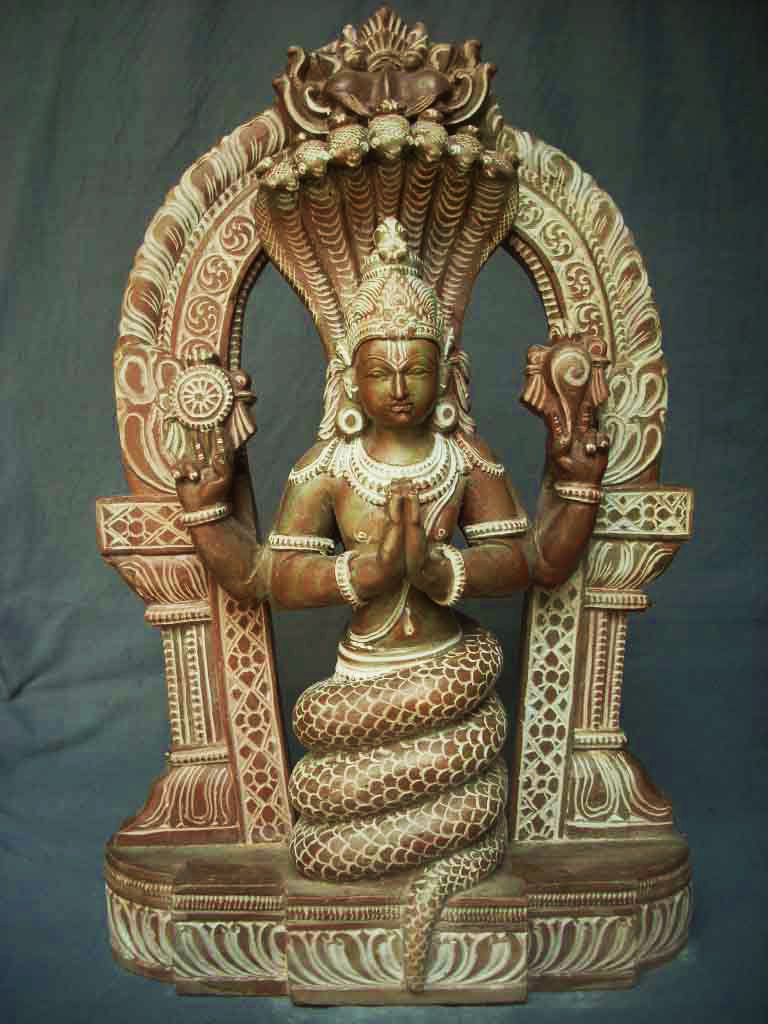
- The identification of Pātāñjali as the incarnation of Śeṣa(implicitly),and his commentary(the fact that it’s referred to as lengthy gives it away)
- The identification of the Varttikakara Vararuci/Katyayana and his linkage to the tradition of Pātañjali in vyākāraṇa-śāstra.
That debate of Candragomī and the nāstika mahāpaṇḍita Candrakīrti lasted for 7 years,and the debate ended after Candrakīrti discovered Avalokiteśvara teaching Candragomī.
Also,the tradition of the Bauddhas recognizes a vyākāraṇa of Candrakīrti’s in the same(Bauddha) tradition that was superior to Candragomī’s,named the Samantabhadra. It was bhaṭṭārikā āryā Tārā who said that this vyākāraṇa of Candragomī’s would survive,while the one of Candrakīrti’s would be lost because of his pride in his scholarship. And Tārānātha notes that the well in which Candragomī threw his book in(and later pulled it out of)-those who drank water from that well were immediately filled with great wisdom.
प्रभो शम्भो! prabho shambho!
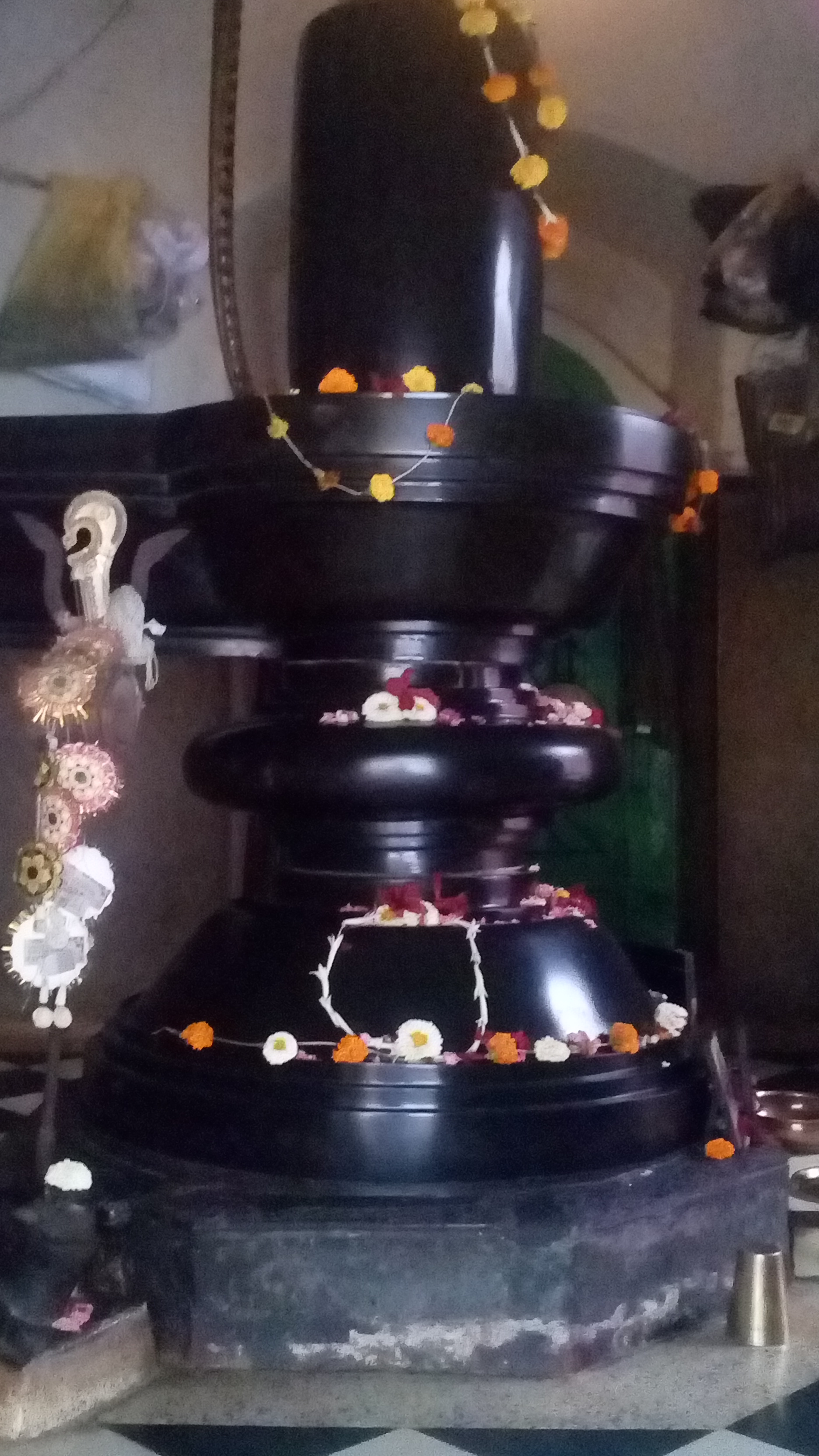
Today,on seeing that liṅgam at that old temple in the lane behind the office of the postmaster general(been there since the very late 1800s?)It’s a tiny navaratna temple,painted red,that shloka of Amṛtavāgbhavācāryā, blessed by Svacchanda-Bhairava himself came to my mind
प्रभो शम्भो दीनं विहितशरणं त्वच्चरणयोः
भवारण्यादस्माद्विषमविषयाशीविषवृतात्।
समुद्धृत्य श्रद्धाविधुरमपि बद्धादरकरं
दयादृष्ट्या पश्यन्निजतनयमात्मीकुरु शिव॥
In SLP1 romanization(explained in the links for vowels and consonants)
prabho “sambho diina.m vihita”sara.na.m tvaccara.nayo.h
bhavaara.nyaadasmaadvi.samavi.sayaa”siivi.sav.rtaat|
samuddh.rtya “sraddhaavidhuramapi baddhaadarakara.m
dayaad.r.s.tyaa pa”syannijatanayamaatmiikuru “siva||
It’s translation(taken from the Kamakotimandali website because I’m lazy)
‘O Lord Shiva, this forest named samsāra is filled with venomous serpents that are the sensory objects. To escape from them, I take refuge most humbly in your lotus feet.
O all powerful Shambhu, please take me out of this forest even if I lack faith and devotion, for I am after all your son and I have sought refuge in you with folded hands.’
He gives the scene of composing this verse thus
मन्निमिर्तः प्रभोशम्भोश्लोको यत्सदयेच्छया।
इष्टसिद्ध्यर्थ प्राप सिद्धमहामन्त्रस्वरुपताम्॥
हितायाऽऽस्तिकलोकानां वर्णयामि सभासतः।
नत्वा तत्पादयुगलं तद्वृत्तं विस्मयावहम्॥
सायत्ननं नित्युकृतयं समाप्य समवस्थिते।
स्वासने मरुयन्धकारावृते पूजागृहेऽमले॥
श्रीशिवप्रार्थनापद्ये प्रातरेव स्वनिर्मिते।
अपशब्दं चिन्तयति सहसा दिव्यदेहवान्॥
जीर्णशुकं जानुदघं वसानो लम्बमेकतः।
रोमगुच्छाचितबिलमहाश्रोत्रः शशिप्रभः॥
बर्वरप्रभरोमालव्याप्तसवङ्गिवग्रहः।
तिरस्कृततडिच्चञ्चक्त्रनीनिकविलोचनः॥
महात्मा प्रकटीभूय कोऽपि मत्सम्मुखं तदा।
उच्चालयन् तर्जनीं स्वां मामुवाच सगर्जनम्॥
पद्यमेतन्नास्यशुद्धं न कार्यं परिवर्तनम्।
एवं समासे सुमते! कामशुद्धिं विशङ्कसे॥
इत्युक्त्वा यो दयार्त्रेण चक्षुशा वीक्ष्य मां पुनः।
शम्पेव क्वाप्यगात् सद्य आश्रित्याऽलक्षितां गतिम्॥
अजानन्नपि तस्याऽहं नामधामादिकं मुहुः।
प्रणमामि सदा भक्त्या रुपं वाक्यं च संस्मरन्॥
नालगढे धर्मसभाभवने मासि माधवे।
वृत्तं वृत्तं वैक्रमेऽभे ऋद्धिधैर्यमिते गते॥
Transliterated in the Velthuis scheme
mannimirta.h prabho”sambho”sloko yatsadayecchayaa|
i.s.tasiddhyartha praapa siddhamahaamantrasvarupataam||
hitaayaa”stikalokaanaa.m var.nayaami sabhaasata.h|
natvaa tatpaadayugala.m tadv.rtta.m vismayaavaham||
saayatnana.m nityuk.rtaya.m samaapya samavasthite|
svaasane maruyandhakaaraav.rte puujaag.rhe’male||
“srii”sivapraarthanaapadye praatareva svanirmite|
apa”sabda.m cintayati sahasaa divyadehavaan||
jiir.na”suka.m jaanudagha.m vasaano lambamekata.h|
romagucchaacitabilamahaa”srotra.h “sa”siprabha.h||
barvaraprabharomaalavyaaptasava”ngivagraha.h|
tirask.rtata.dicca~ncaktraniinikavilocana.h||
mahaatmaa praka.tiibhuuya ko’pi matsammukha.m tadaa|
uccaalayan tarjanii.m svaa.m maamuvaaca sagarjanam||
padyametannaasya”suddha.m na kaarya.m parivartanam|
eva.m samaase sumate! kaama”suddhi.m vi”sa”nkase||
ityuktvaa yo dayaartre.na cak.su”saa viik.sya maa.m puna.h|
“sampeva kvaapyagaat sadya aa”srityaa’lak.sitaa.m gatim||
ajaanannapi tasyaa’ha.m naamadhaamaadika.m muhu.h|
pra.namaami sadaa bhaktyaa rupa.m vaakya.m ca sa.msmaran||
naalaga.dhe dharmasabhaabhavane maasi maadhave|
v.rtta.m v.rtta.m vaikrame’bhe .rddhidhairyamite gate||
On Kavīndrācārya
ACP=@ArmchairPseph
ACP: He was a close associate of Dara Shikoh
Me: I’m reading the kavIndrasucipatra,an index of books of his library.
ACP:And a festschrift with verses from all Sanskrit intellectuals of the day was written in his honour,and he negotiated with Shah Jahan on behalf of Hs. There were a lot of mentions of him in the book. Can’t recall offhand/search easily since I read the book in print + will have to pick it up again from the library
On manu sm.rti
Me: So,does iPengu here have a point when he says
One of the problems of Manu Samhita is that people focus on punishments there but if we instead concentrate on moral values it promotes then it becomes perfectly Hindu in every way.
SV: Actually people don’t “focus” on the penal codes of Manu,they just quote those and pretend they belong to a more civilized jurisprudence and penal codes(which is patently false but let that pass). And such pretnce is used to give you reason to ignore the Hindu dharma “saastras. What we should get at is not really the “morality” of Manu because there is today a “moral scheme” based on a certain worldview which needs to be combated before you get to the morality itself.
The basic questions of whether nature should be seen as the teacher or ideals(which change with time) as guidance,whether human should be trusted or system,should be raised whose answers can be found in dharma. Penal code or moral code will be corollaries to these axiomatic things.
Me: You still get the point that is made, SV?
SV: Well he is saying look at the moral code not penal code. I fear that won’t get us anywhere as an exercise because of the underlying worldview and assumptions of the moral codeonce you take cognizance of the fact that its implications will be not in “good practices for people” but an actual guide to jurispudence and penal codes. maanava dharma “saastra was never the former,so even seeing it that way would be problematic. And for the latter,it’s a more systematic and systemic work.
Me:
maanava dharma “saastra was never the former
Was never a moral code,you mean?
SV: It was never meant as a micro level moral code for individuals,but a guide for those designing the collective moral codes.
SV: Individual,var.na,gender,etc are all explained not in prescriptive terms,but as insights into understanding things at a collective level. For instance as R Ganesh says explain the tree to explain a forest. That does not amount to giving codes for the tree but giving insight into understanding tree thereby forest.
SV: The prescriptive codes for individuals don’t come from these but from the specific code books of each group,lineage,etc
SV: Similarly with the word sanaatana,it is sanaatana because it applies at all times to all peoples,because it is talking about unchanging principles of nature.