mysterious rites

The probable author of all the piśāca and piśācī sādhanās was a certain Prajñāpālita. His sādhanās of the same names all exist in the Tibetan Buddhist Tengyur. His teacher in that text is recorded as a certain Mañjughoṣa. Tārānātha records a certain Prajñāpālita as a disciple of Ānandagarbha. I can’t say if both names refer to the same person, though the dates align somewhat when looking at the claimed manuscript date.Also, it is to be seen if they are the same sādhanās in translation.

The names of the other sādhanās are also suggestive:gaṇacakra,mahāmāya(likely paired with Buddhakapāla?), Chinnamastā and Kurukullā, who all have strong prescences in Vajrayāna.

Could this manuscript and the later Hindu practitioners be a possible remnant of what would later be called Cīnācāra?

The village school master, and master of the mantra-shAstra possessed many a mysterious mantra. The most mysterious was a manuscript of a tantric from around 900 AD from Uttaranchal which had in an archaic script a whole collection of mantra-s, some found no where else.The pishAchi prayogas: 1) pishAchI karNagR^ihyA 2) pishAchI aulumbinI 3) pishAchI […]

mysterious rites

A note on Candragomīn and his tradition

On reading this note by manasataramgini,the following note from Tārānātha came to my mind

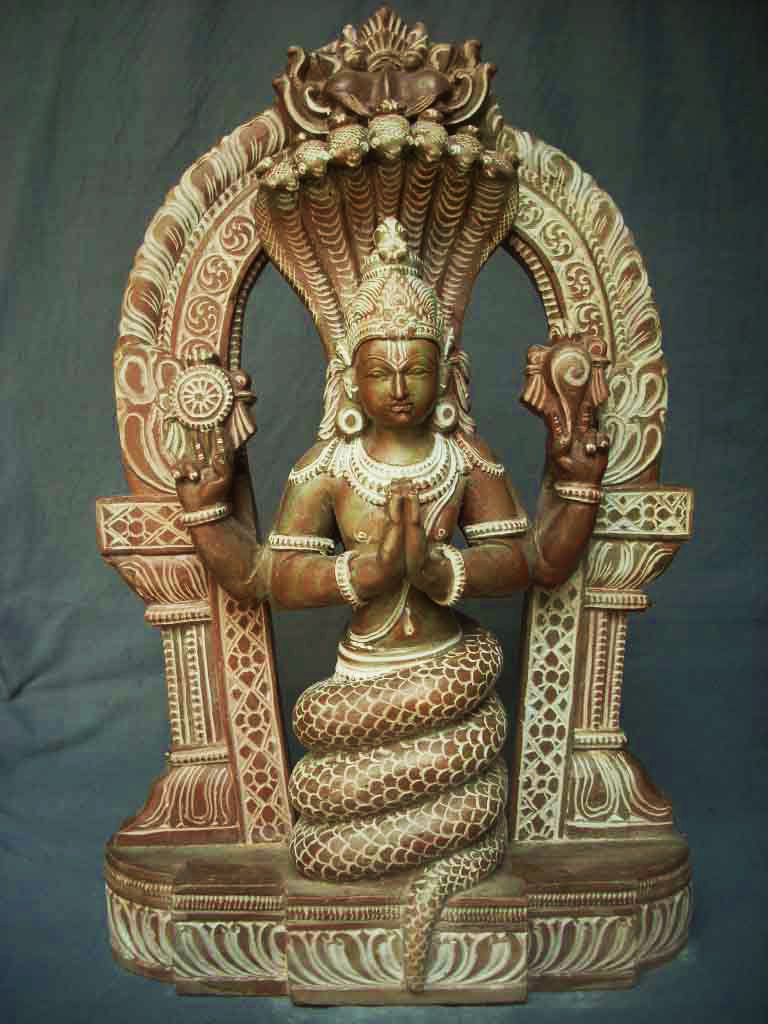
Candragomīn had travelled to the South,in the temple of the brāhmaṇa Vararuci,where he came across an image of Vararuci acquiring the śāstra of vyākāraṇa from Śeṣa-nāga. He then thought that a commentary should be brief,profound in significance,with no repititions and complete,which Śeṣa-nāga’s commentary was not. He then composed his Candra-vyākāraṇa ,following Pāṇini’s grammar and remarked ‘This work,though brief,is clear and complete’.(Tārānātha remarks that even this remārk was a harsh criticism of the Nāga).

Some trivial points to note here

  • The identification of Pātāñjali as the incarnation of Śeṣa(implicitly),and his commentary(the fact that it’s referred to as lengthy gives it away)
  • The identification of the Varttikakara Vararuci/Katyayana and his linkage to the tradition of Pātañjali in vyākāraṇa-śāstra.


That debate of Candragomī and the nāstika mahāpaṇḍita Candrakīrti lasted for 7 years,and the debate ended after Candrakīrti discovered Avalokiteśvara teaching Candragomī.

Also,the tradition of the Bauddhas recognizes a vyākāraṇa of Candrakīrti’s in the same(Bauddha) tradition that was superior to Candragomī’s,named the Samantabhadra. It was  bhaṭṭārikā āryā Tārā who said that this vyākāraṇa of Candragomī’s would survive,while the one of Candrakīrti’s would be lost because of his pride in his scholarship. And Tārānātha notes that the well in which Candragomī threw his book in(and later pulled it out of)-those who drank water from that well were immediately filled with great wisdom.